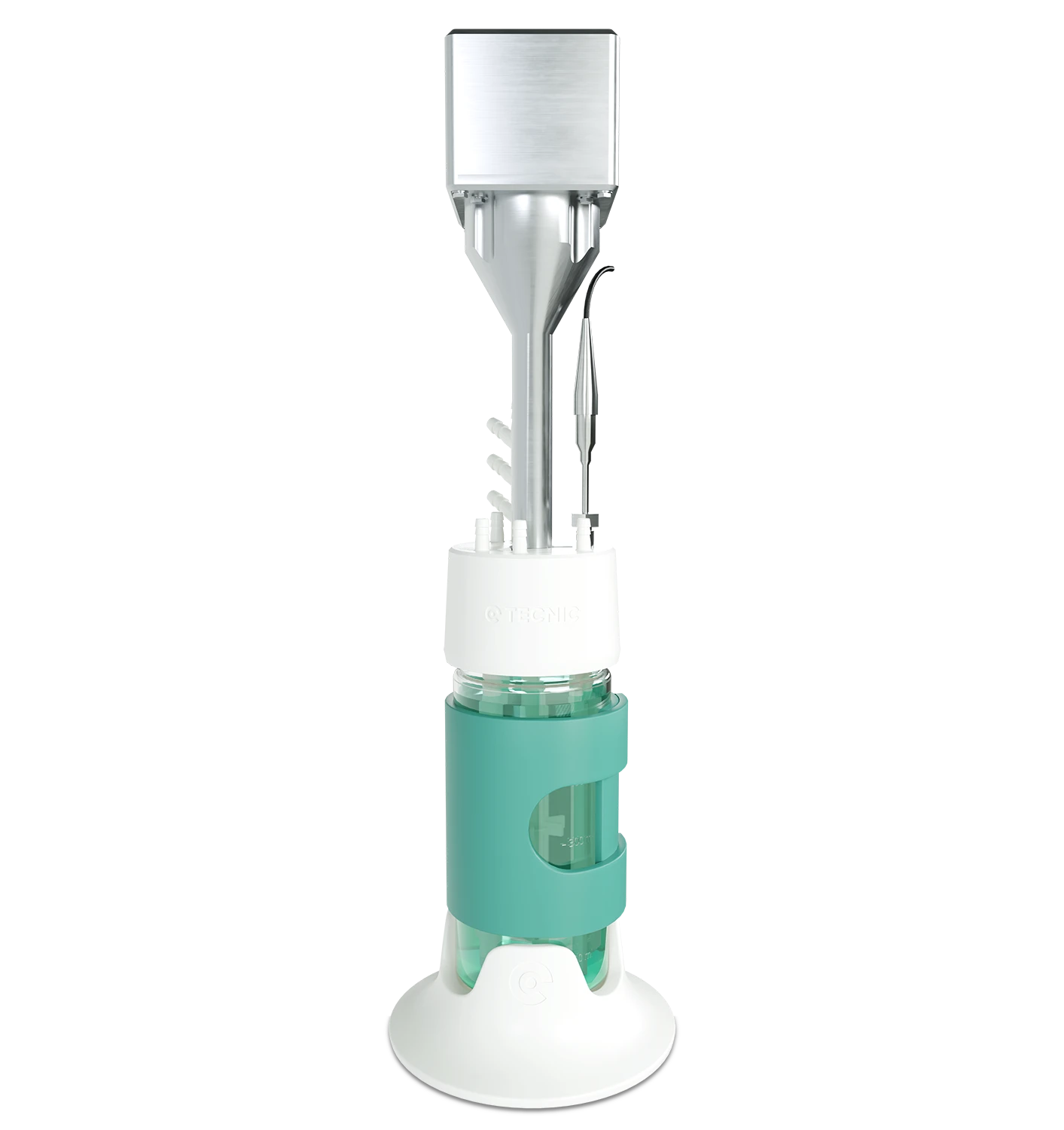

Tangential flow filtration, or TFF, is one of the key downstream operations used to concentrate biomolecules, clarify process streams and exchange buffers without pushing the feed directly into the membrane surface.
In a TFF system, the product circulates parallel to the membrane, which helps reduce surface build-up compared with normal flow filtration. That makes TFF especially useful in concentration and diafiltration steps where yield, process control and repeatability matter.
But good TFF performance does not depend on membrane area alone. It depends on how the whole system is designed, including pump selection, hold-up volume, pressure control, instrumentation, operating modes and the scale path from laboratory development to pilot and production.
What is tangential flow filtration?
Tangential flow filtration is a membrane separation method in which the feed stream moves parallel to the membrane surface instead of being pushed straight through it. A portion of the liquid passes through the membrane as permeate, while the retained fraction continues in recirculation as retentate.
This cross-flow behaviour is what makes TFF so useful in bioprocessing. It helps limit cake formation and gives better control during concentration and diafiltration operations, especially when working with proteins, antibodies, viral vectors, nanoparticles or other high-value biomolecules.
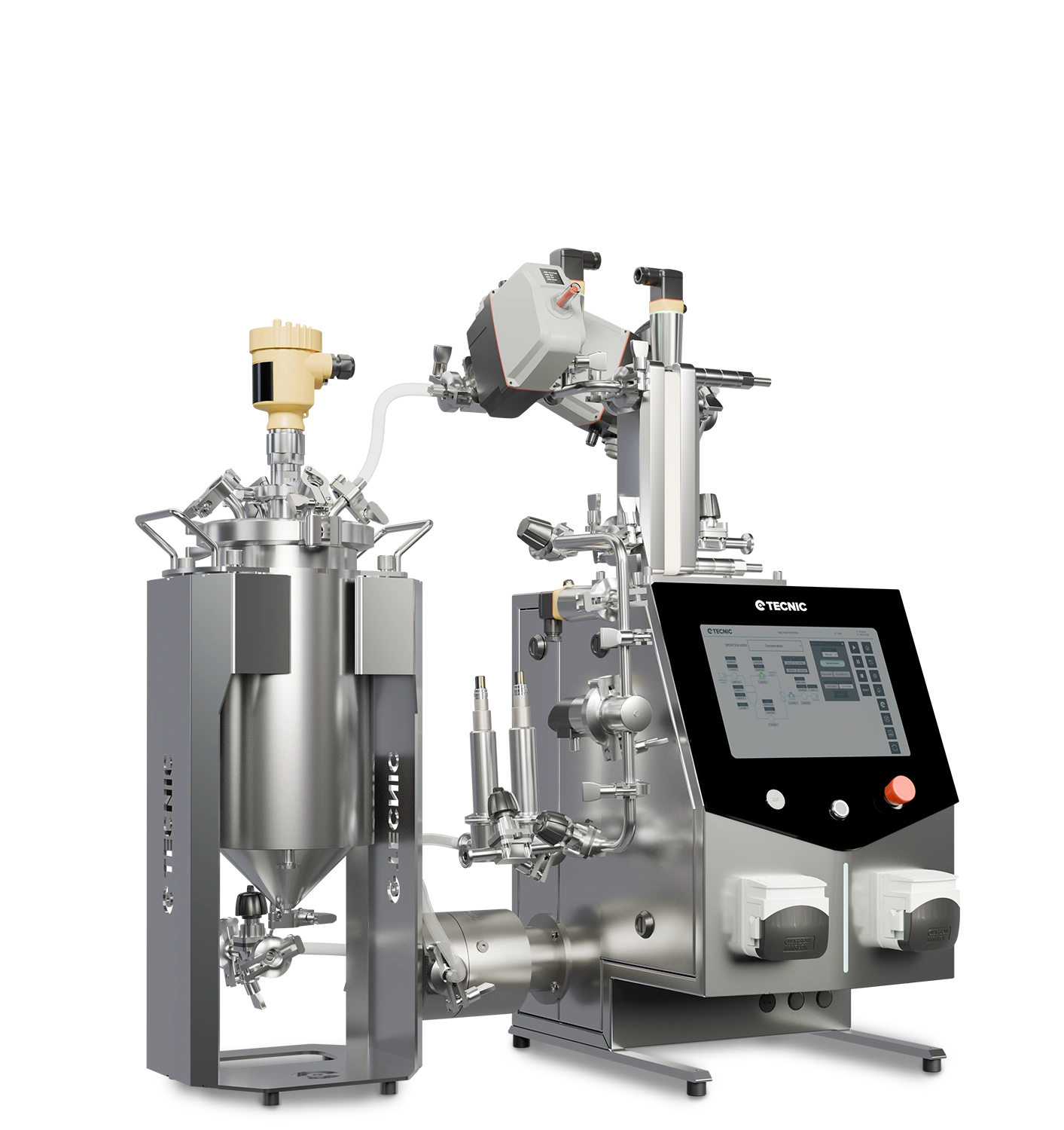
TFF is not just a filter skid. It is a controlled downstream unit operation where membrane behaviour, hydrodynamics and automation directly affect recovery, fouling and batch consistency.
How a TFF system works
In a typical TFF loop, the product is held in a vessel or feed reservoir and recirculated across the membrane with a main pump. The membrane separates the stream into permeate and retentate, while the system keeps controlling the pressures and recirculation conditions required for stable operation.
Main functional blocks in a TFF system
- Product tank or reservoir, often with weighing or level control.
- Recirculation loop with the main tangential flow pump.
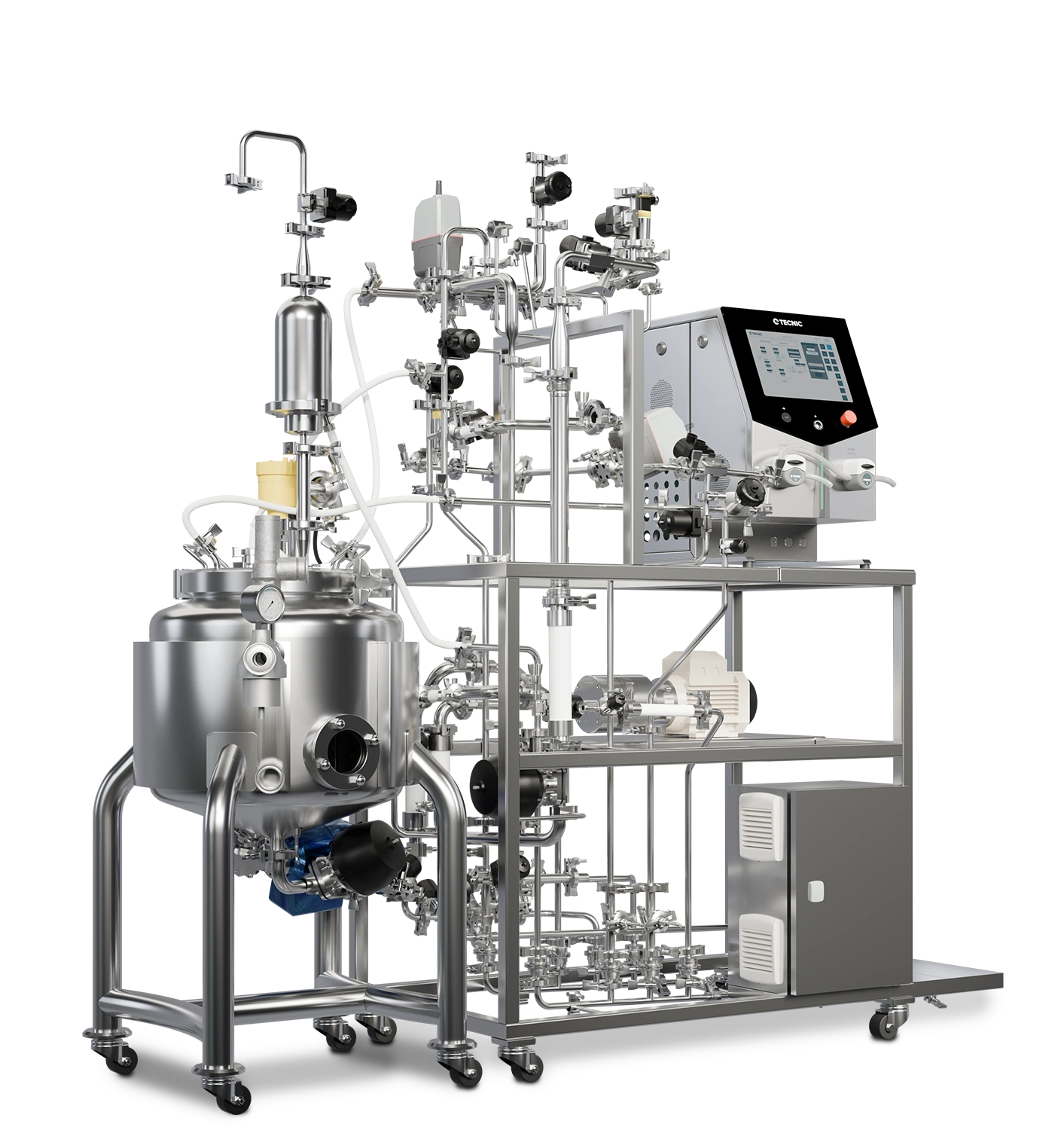
- Membrane holder or housing for cassette, hollow fiber or other module formats.
- Pressure, flow and temperature instrumentation.
- Permeate and diafiltration lines.
- Control software for modes, alarms, recipes, reports and data export.
At a practical level, the process can be run in concentration mode, diafiltration mode or other supported sequences such as water flux testing, leak testing, CIP or SIP depending on platform and configuration.
Key variables that drive TFF performance
TFF performance is defined by a small group of variables that need to be understood together, not in isolation. Increasing one of them without understanding the others can improve throughput in the short term but worsen fouling, recovery or product quality.
| Variable | What it tells you | Why it matters |
|---|---|---|
| TMP | The effective pressure driving permeation through the membrane. | Too low reduces throughput, too high can compress fouling and reduce performance. |
| ΔP | The pressure drop along the retentate path. | It reflects hydraulic load and shear behaviour across the membrane channel. |
| Flux | The permeate flow rate per membrane area. | It is one of the clearest indicators of filtration productivity and fouling behaviour. |
| VCF | The volume concentration factor. | It helps define concentration targets and process endpoints. |
| DV | Diafiltration volumes added relative to retained volume. | It defines how far the buffer exchange has progressed. |
| Recirculation flow | The tangential flow across the membrane. | It affects shear, concentration polarisation and fouling risk. |
In real operation, the most common warning signs are a falling flux at constant TMP, a rising TMP needed to hold flux, or an increasing ΔP at constant recirculation flow. Those are often early indicators of concentration polarisation, gel layer formation or irreversible fouling.
The fastest TFF run is not always the best TFF run. Stable control within a sensible TMP and recirculation window usually protects both yield and membrane performance better than pushing the system too hard.
Membrane formats and where they fit
TFF systems are not tied to one membrane architecture. The format selected changes hold-up volume, packing density, hydraulic behaviour, cleaning strategy and scale-up logic.
Cassette membranes
Cassettes offer large membrane area in a compact footprint and are widely used for UF and DF operations. They scale well by adding area, but compression and ΔP limits must be managed carefully.
Hollow fiber membranes
Hollow fibers are often attractive when low hold-up volume and hydraulic robustness matter. They can be very useful for gentle biomolecule handling, though fouling behaviour still depends heavily on product characteristics.
Ceramic or tubular formats
At larger scale or in more demanding cleaning environments, ceramic and tubular options can make sense because of their chemical and thermal resistance. They are usually application-specific and need proper engineering review.
How to scale TFF from lab to production
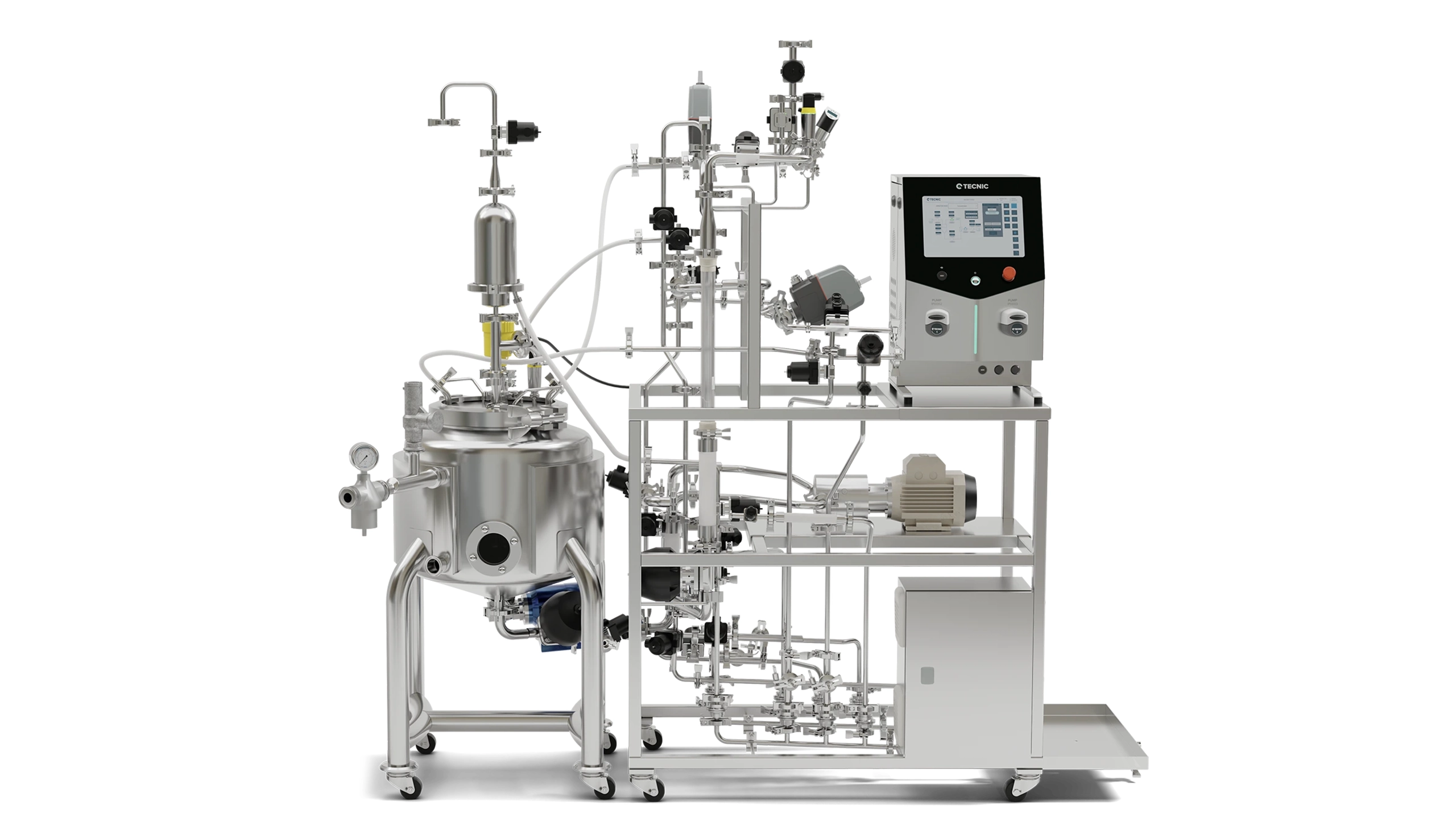
A good TFF scale-up path is not only about installing more membrane area. The aim is to keep the process behaviour understandable as the system grows, which usually means preserving a sensible relationship between membrane area, recirculation flow, TMP and product sensitivity.
In practice, that means scaling by a structured platform family, not by improvisation. Lab work defines operating windows, pilot work stress-tests control and product behaviour, and production scale turns that logic into a robust automated process.
What should remain coherent during scale-up
- Control logic for TMP, ΔP and recirculation flow.
- Definition of end criteria for concentration and diafiltration.
- Data handling, alarms and batch records.
- Membrane format logic and product recovery strategy.
- Cleaning, sanitisation or single-use path according to the process model.
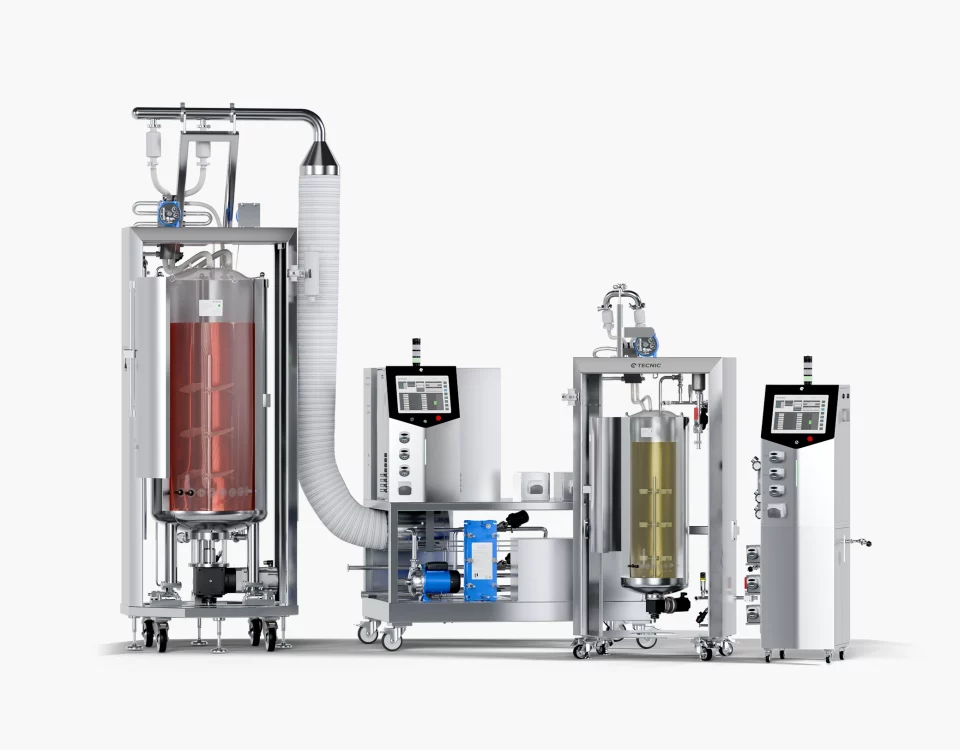
How TECNIC TFF platforms fit the workflow
A strong TFF portfolio should not force teams to rethink the process at every scale. It should help them keep the operating logic understandable while adapting membrane area, vessel capacity and automation level to the stage of development.
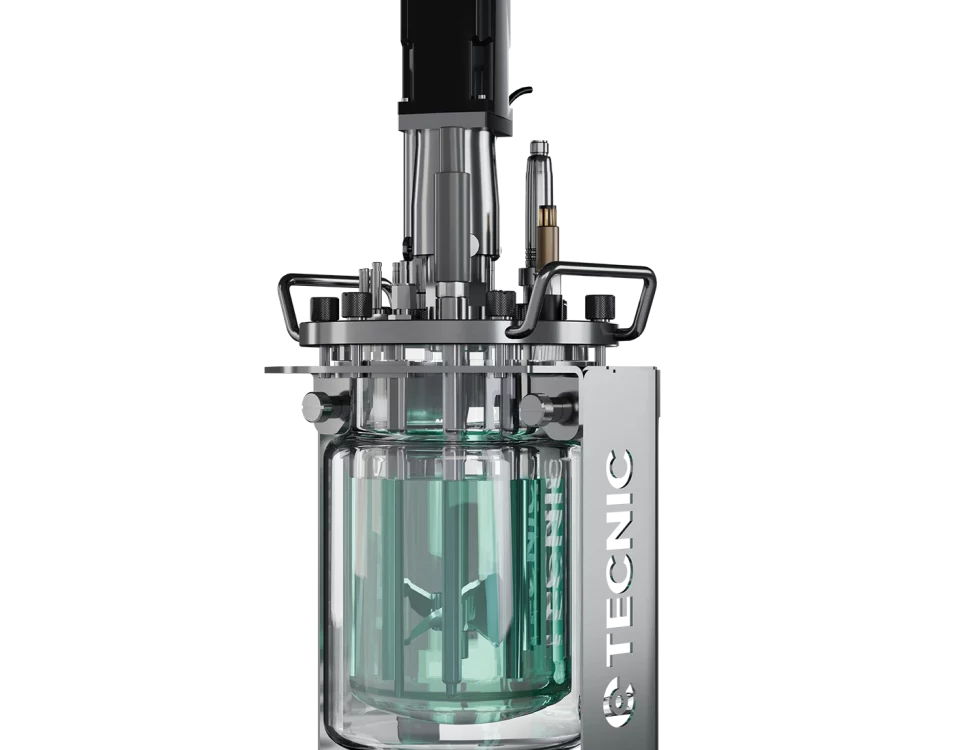
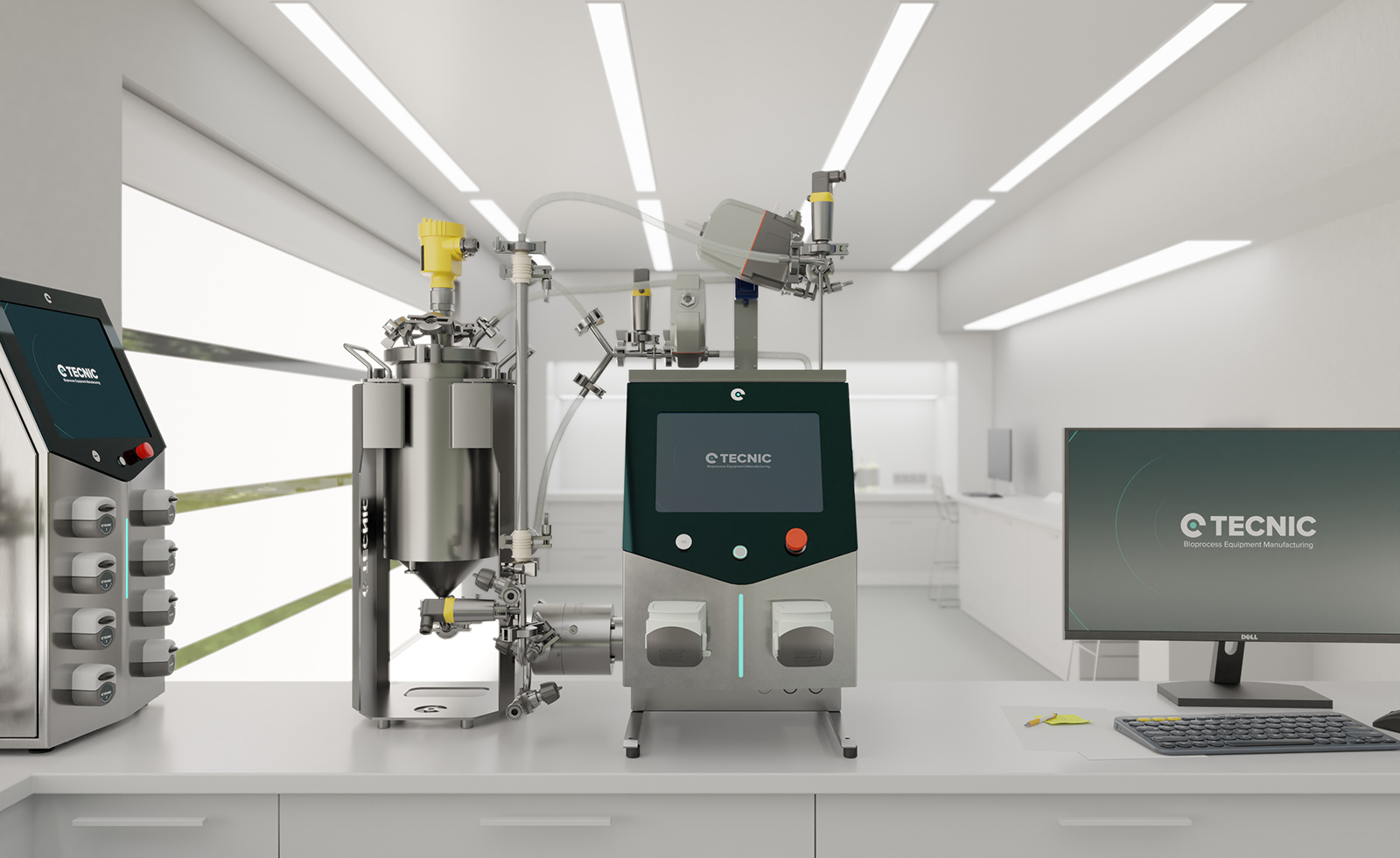
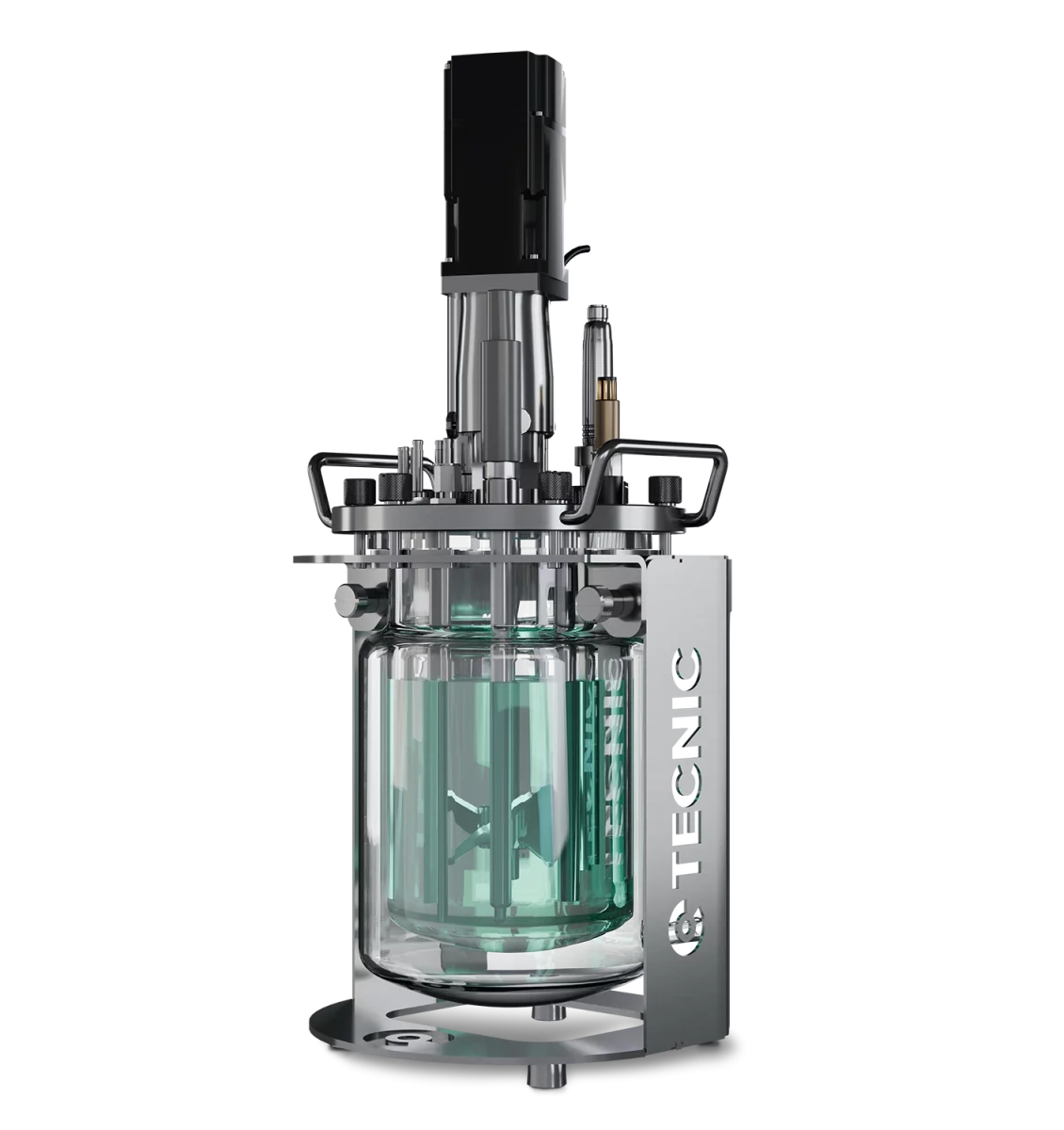
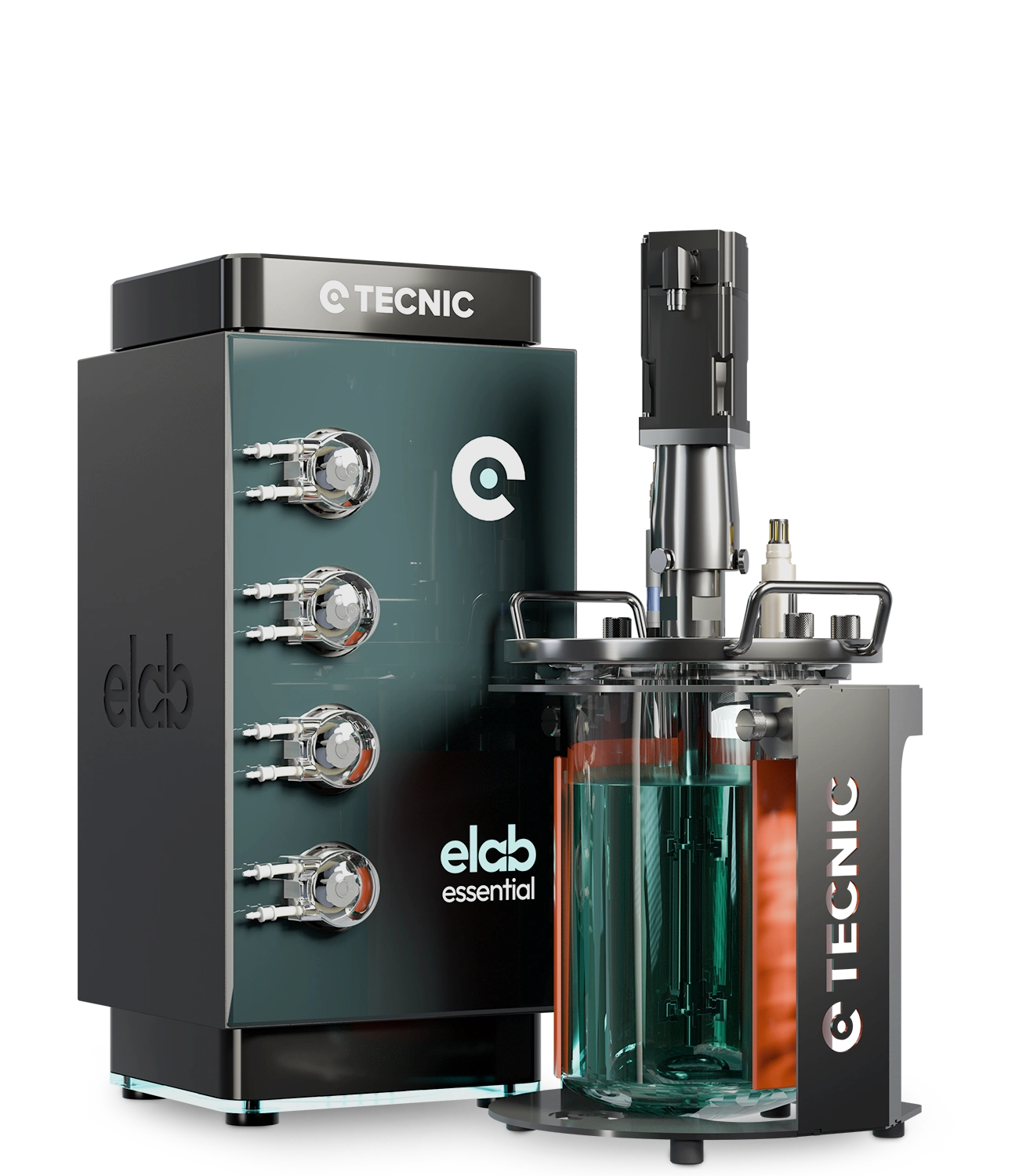
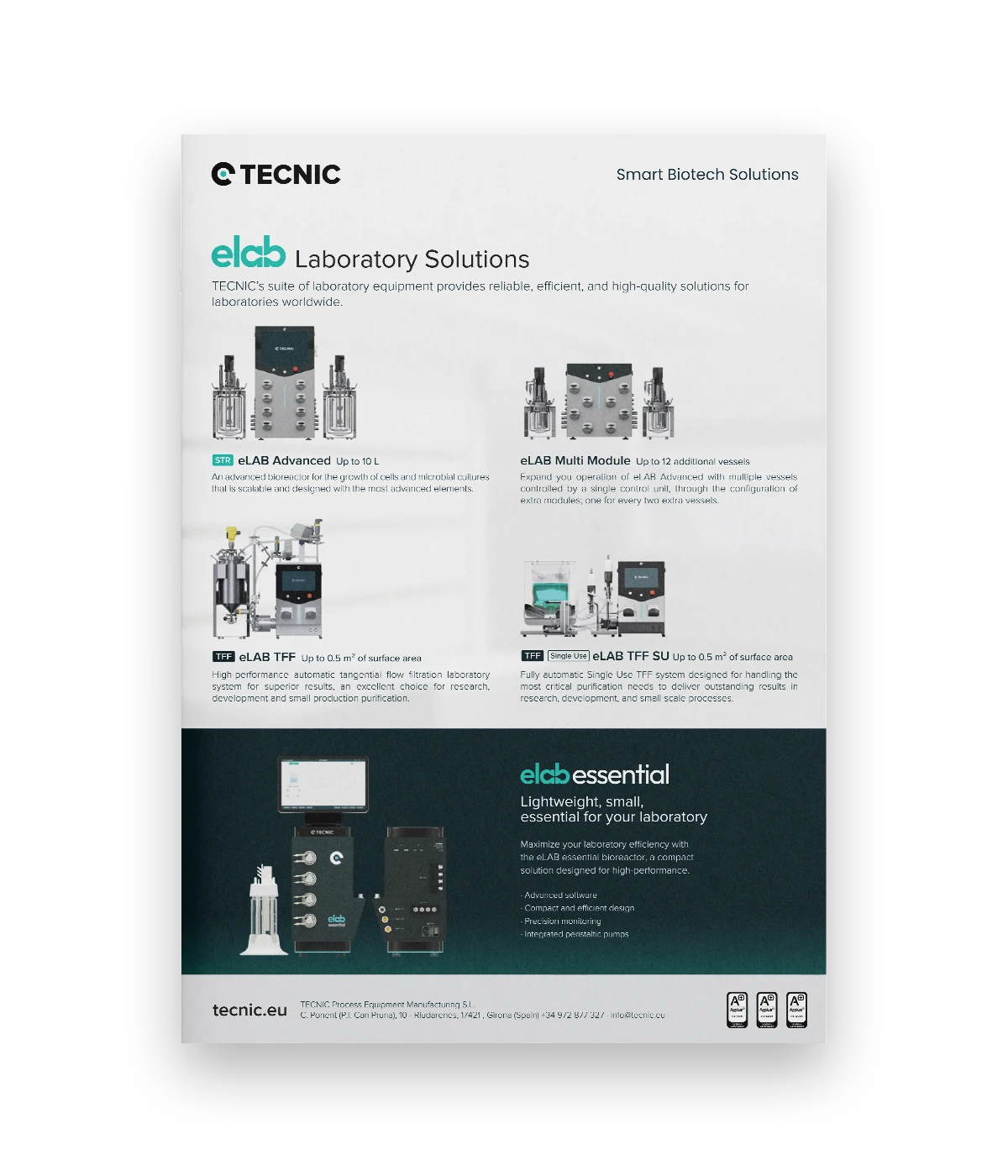
eLAB TFF for laboratory process development
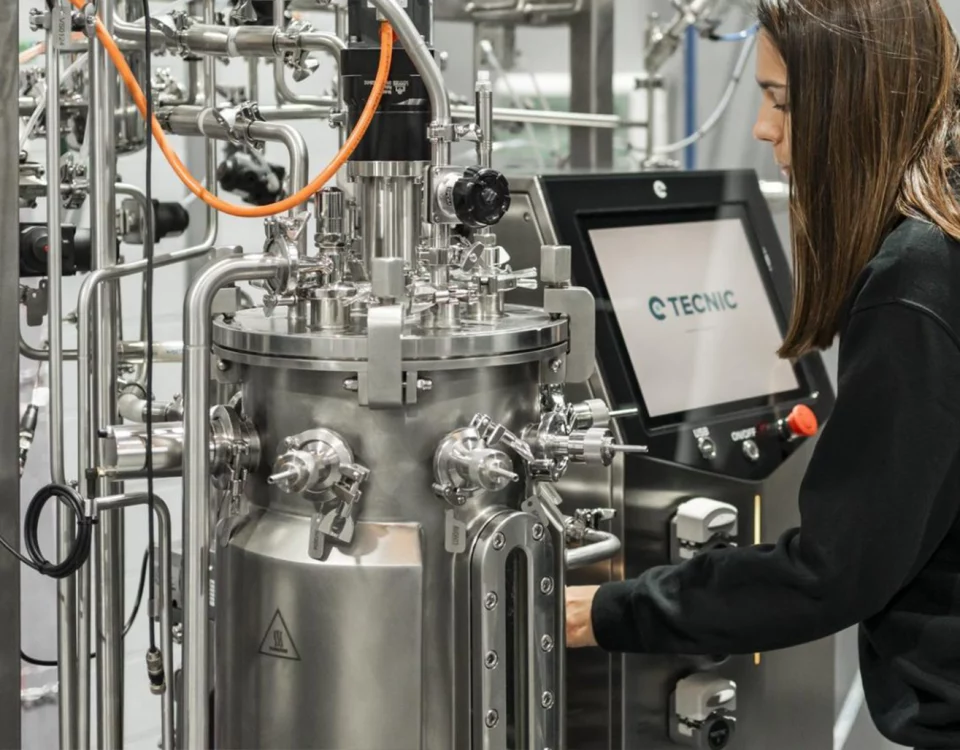
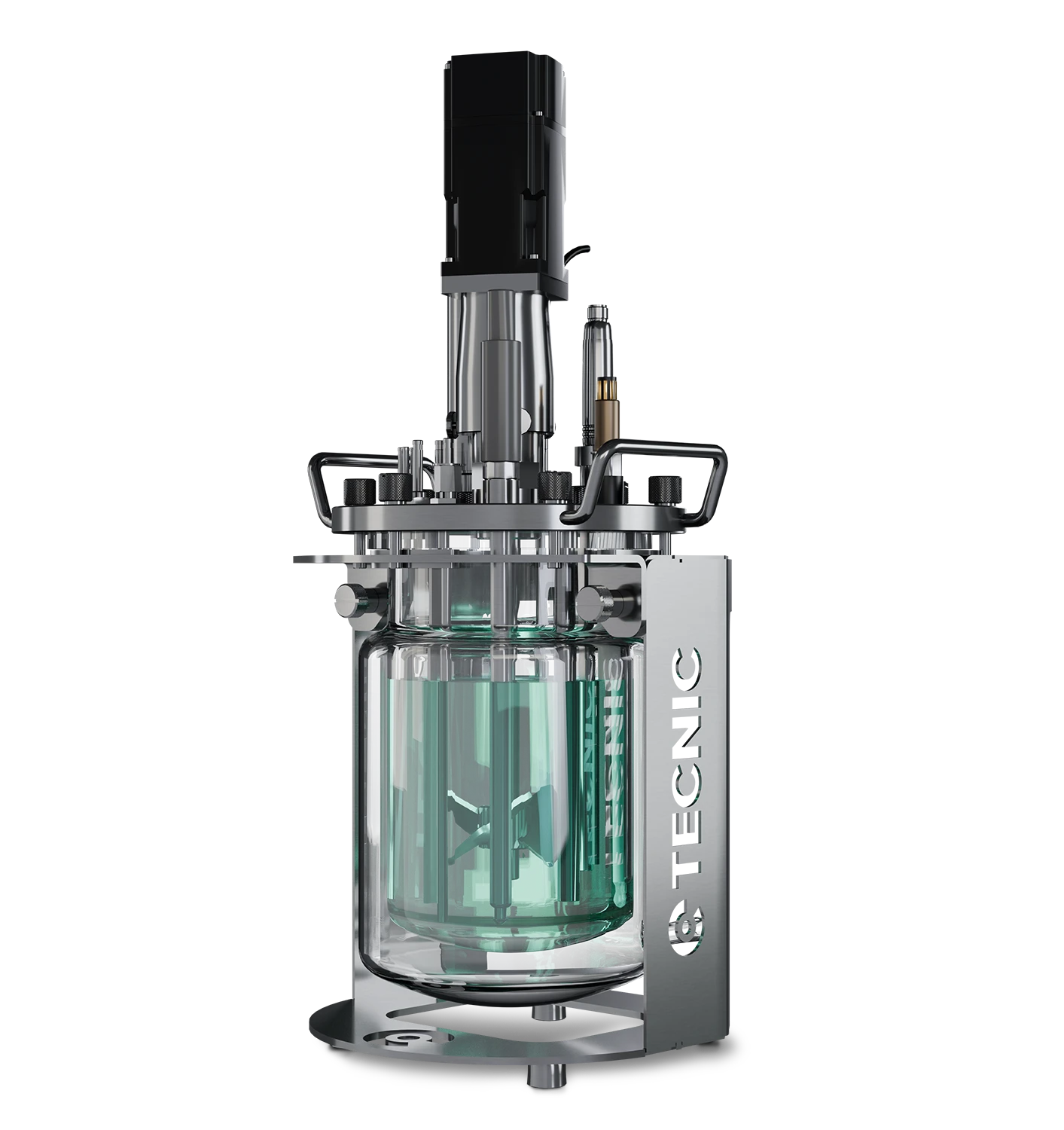
eLAB TFF is positioned for laboratory concentration, diafiltration and clarification work, where process definition, low working volumes and controlled development are the priority.
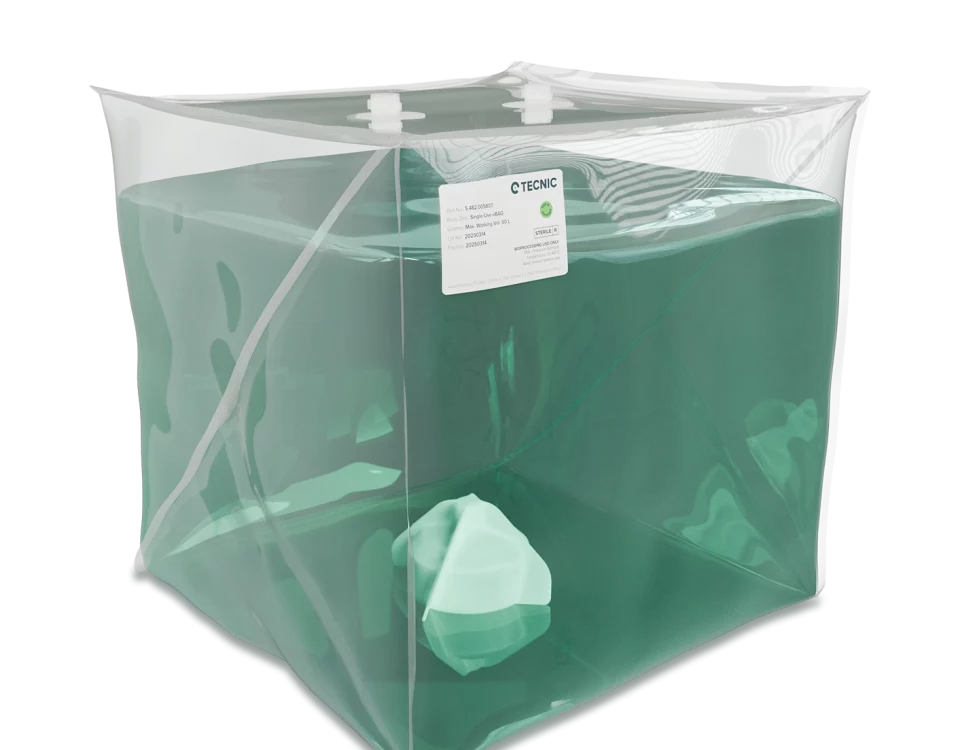
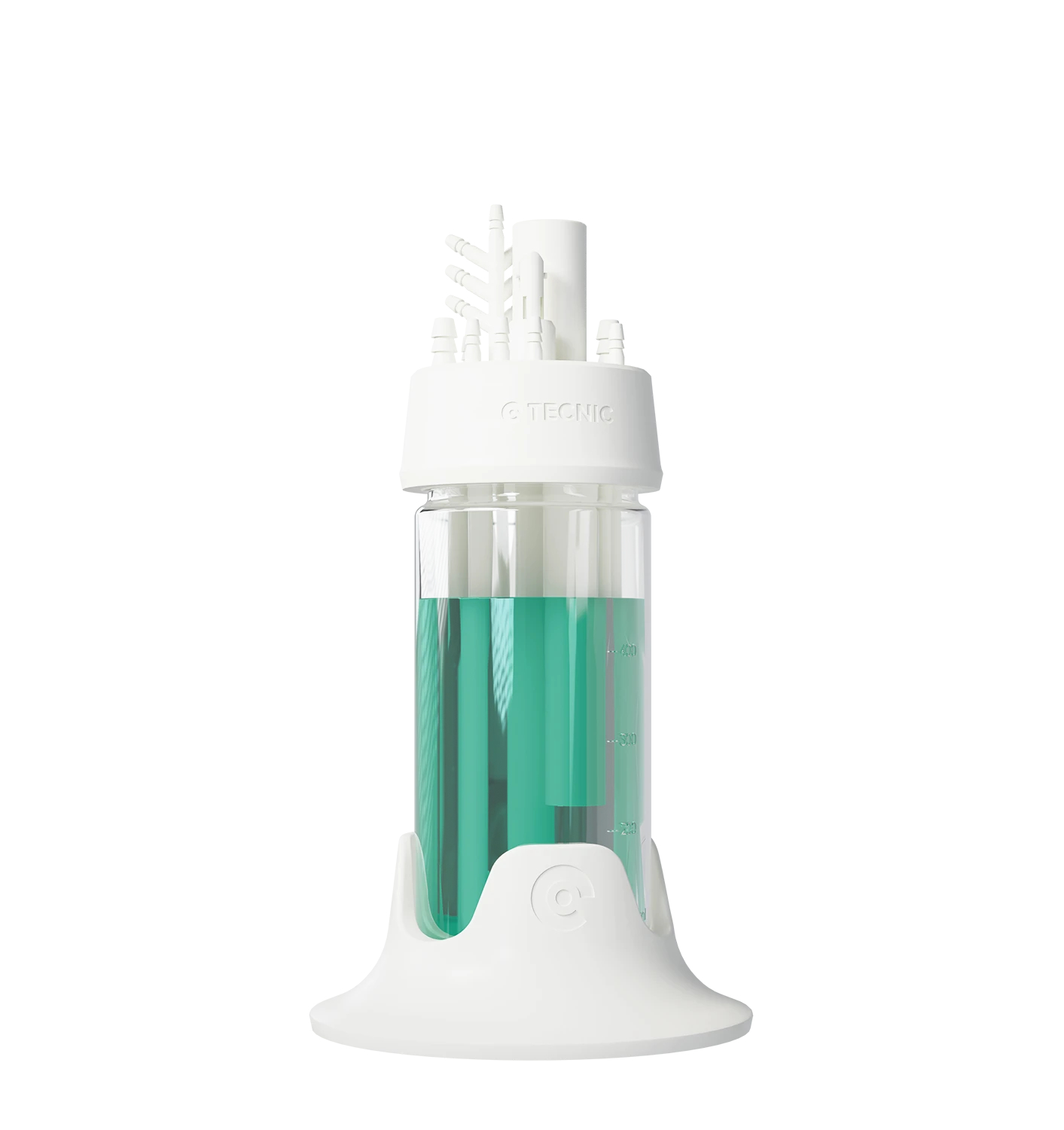
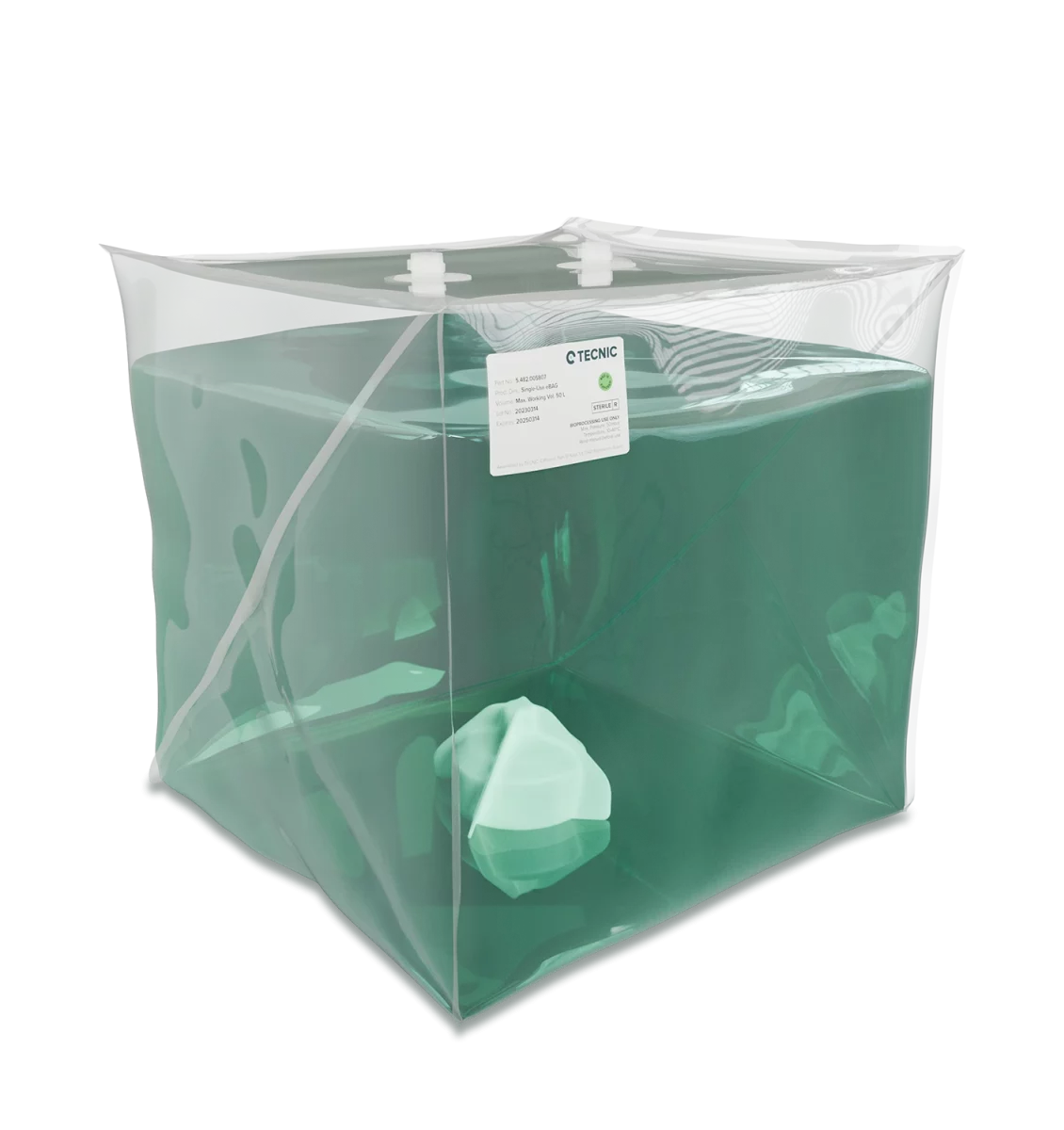
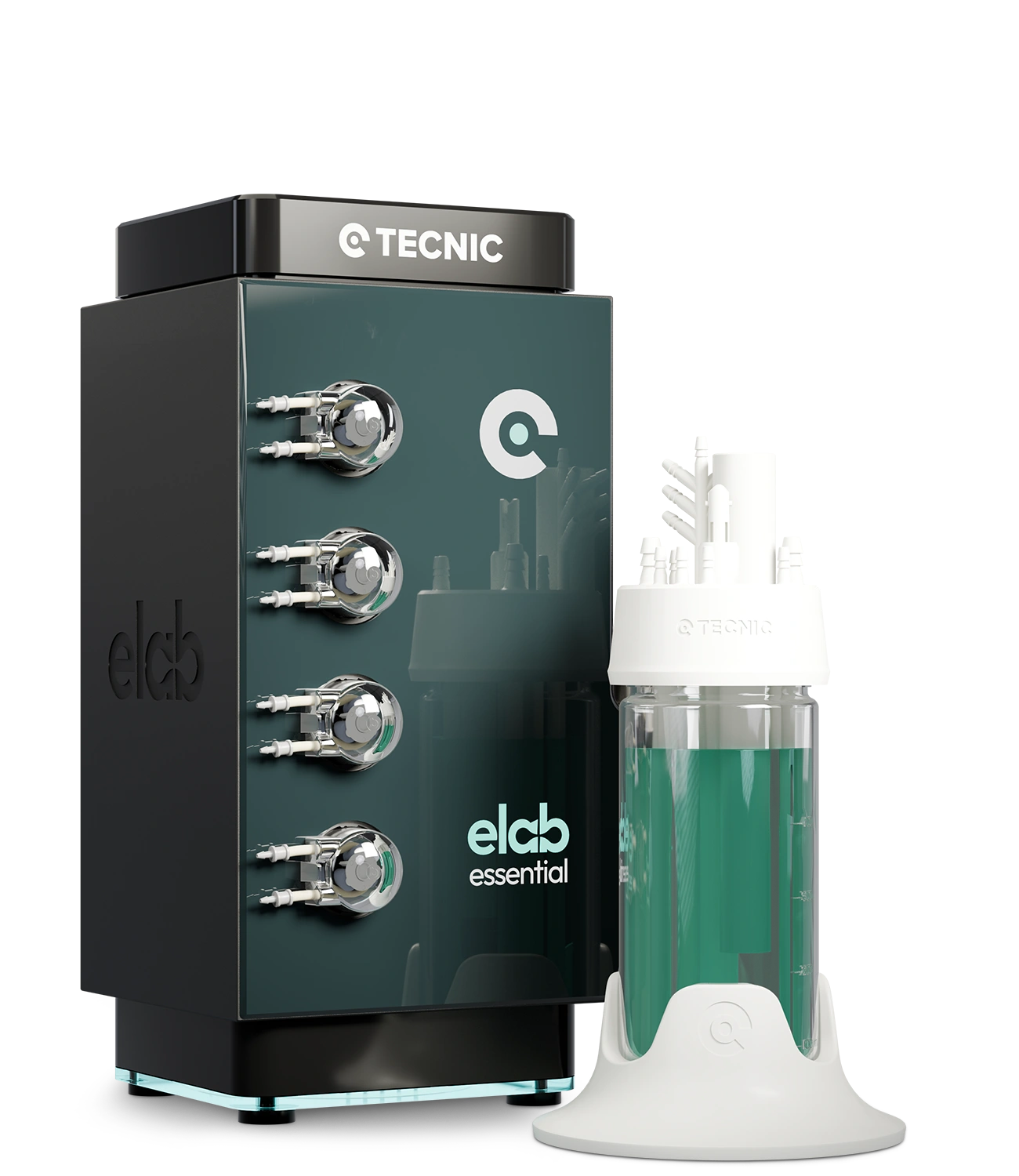
eLAB TFF SU for low hold-up and fast changeover
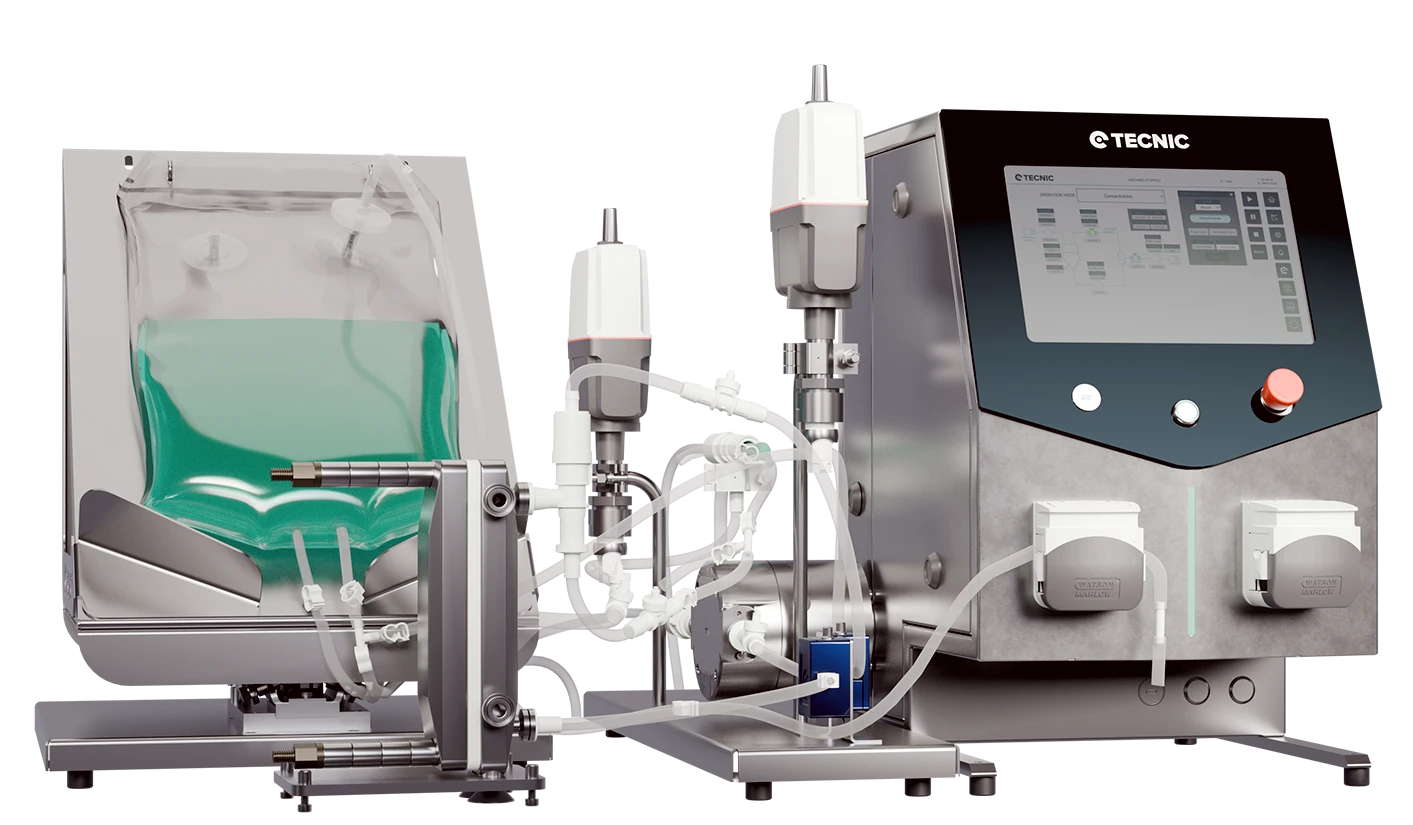
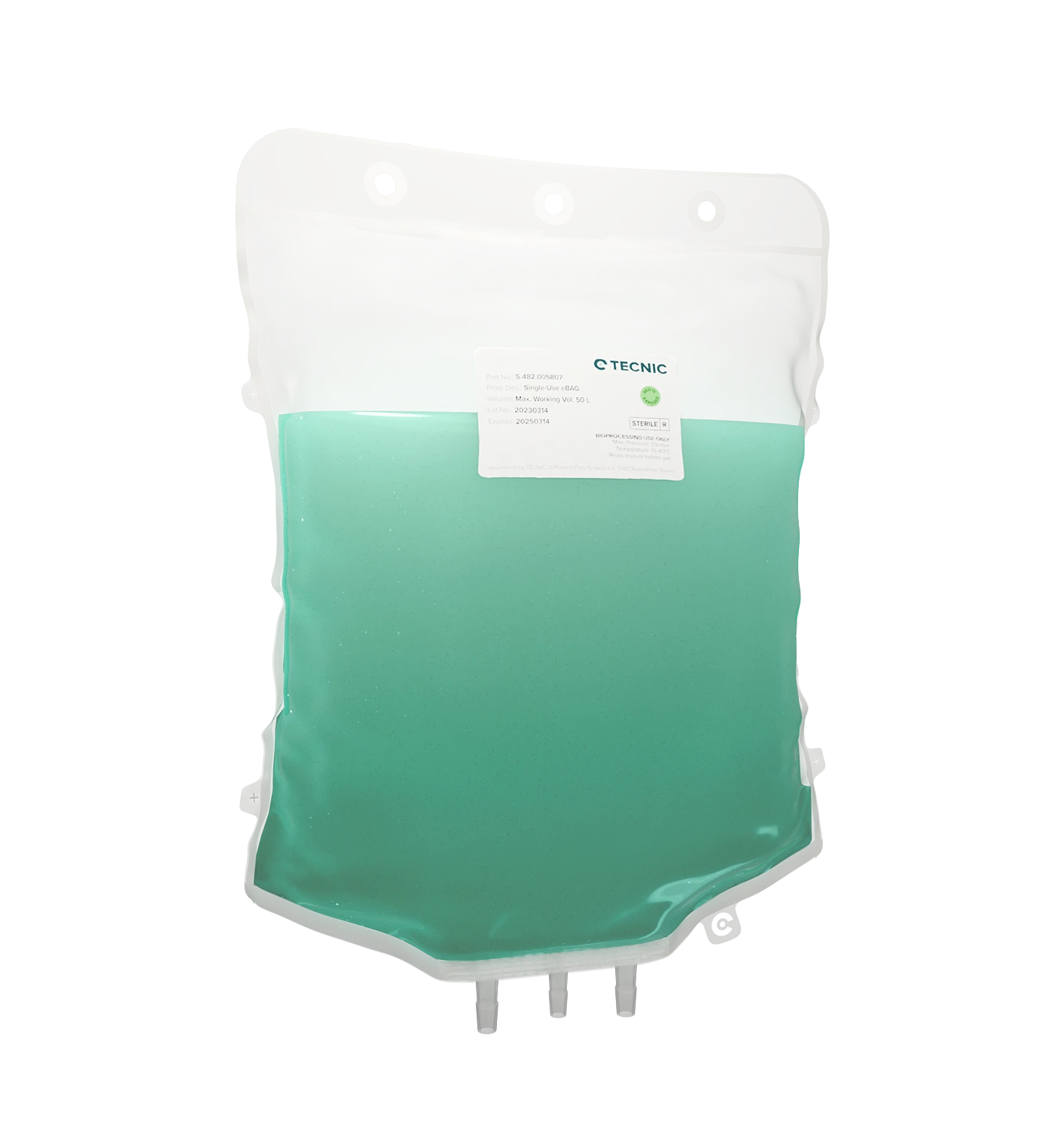
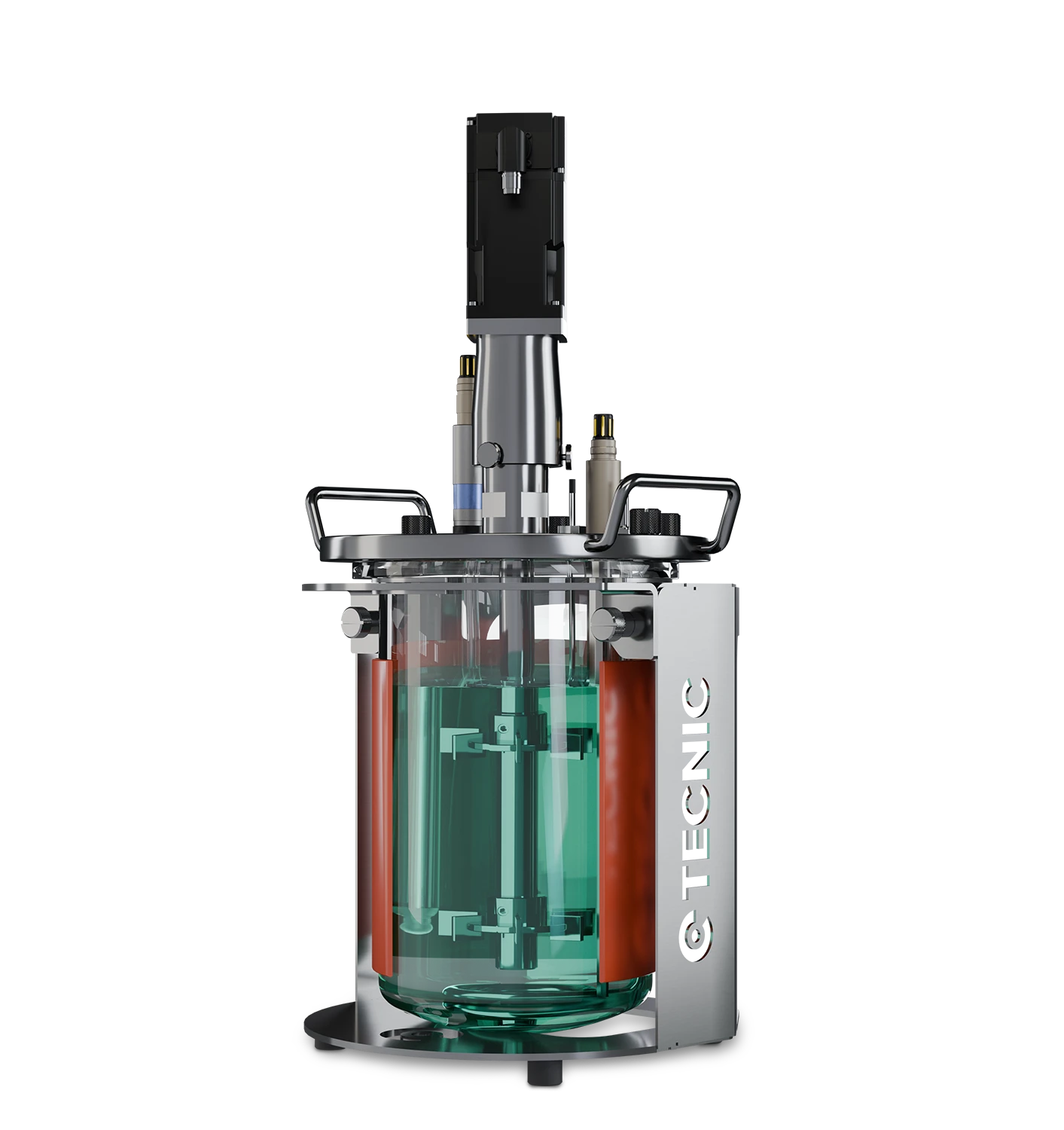
For laboratory workflows where sterility, quick setup and simplified turnover matter, eLAB TFF SU adds a single-use flow path and a compact downstream format suited to development and high-value product work.
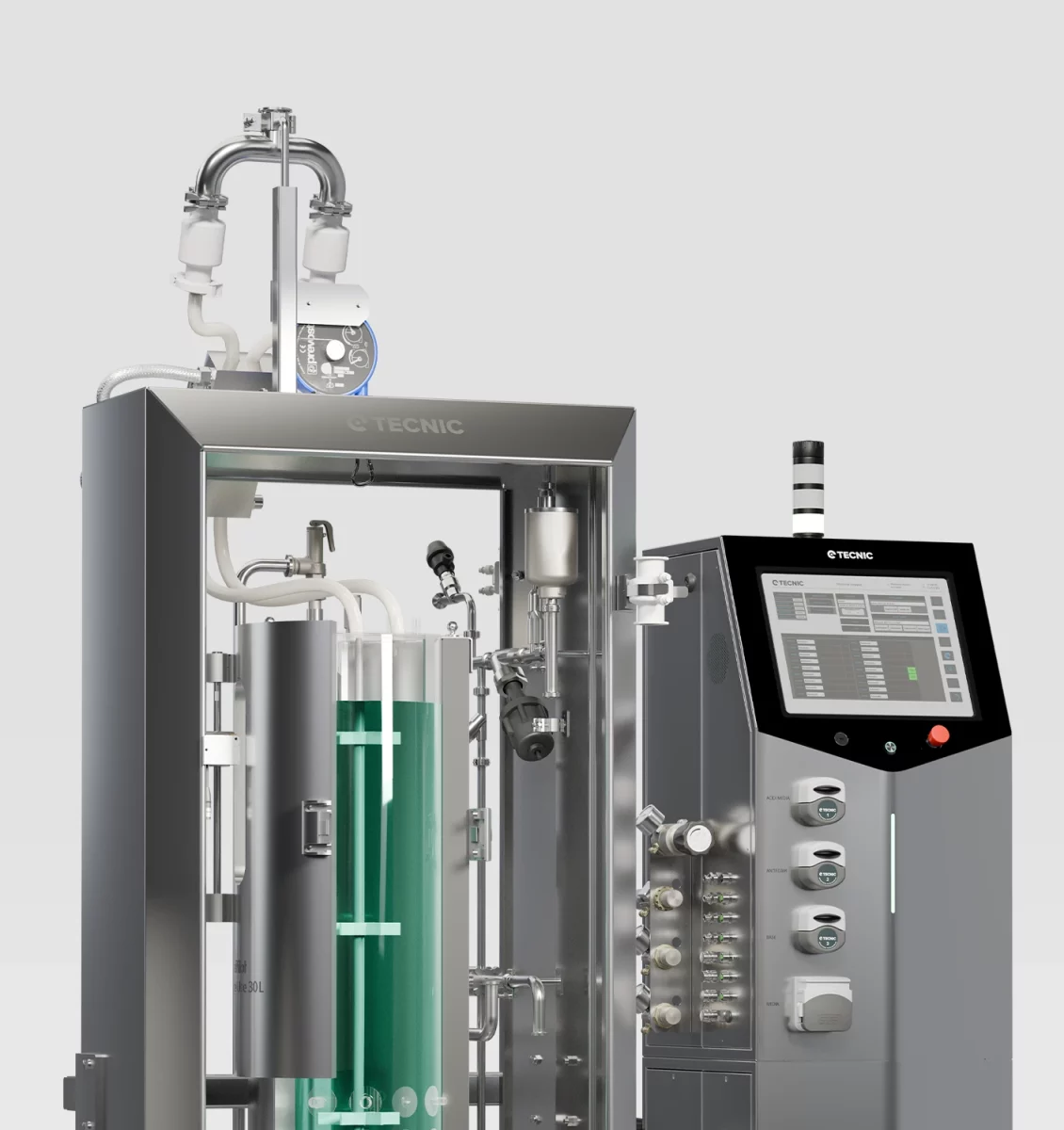
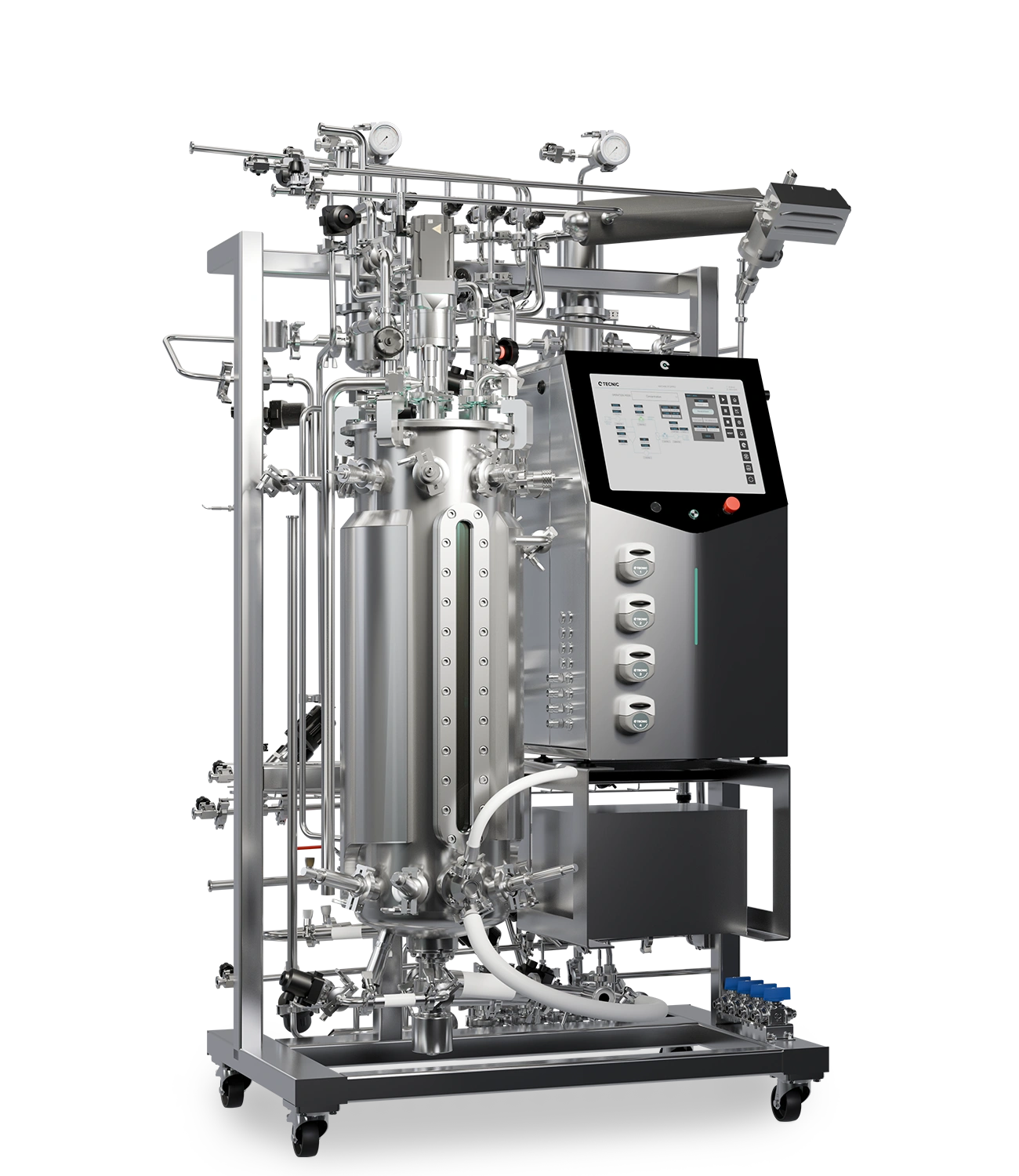
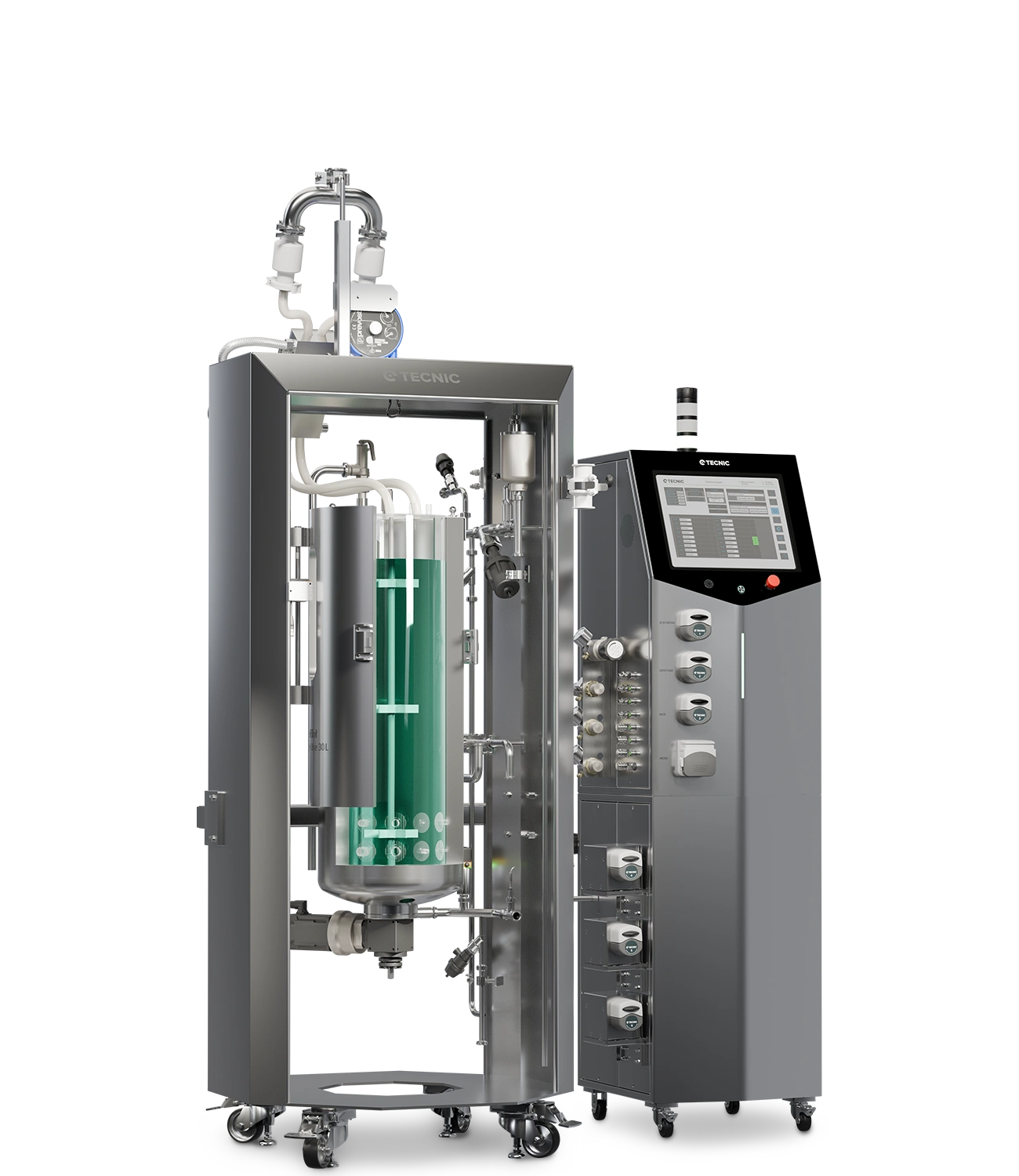
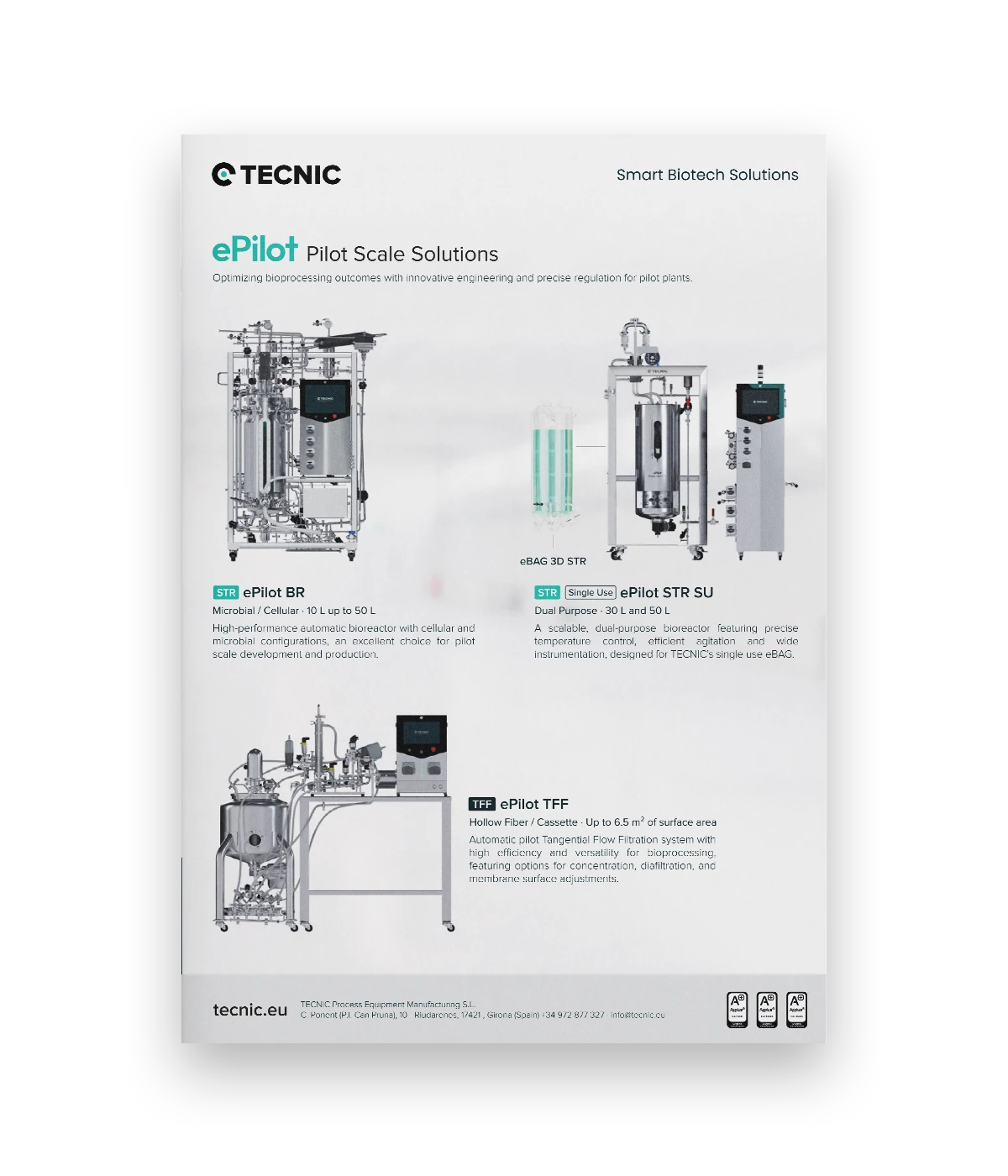
ePILOT TFF for pilot scale-up and process optimisation
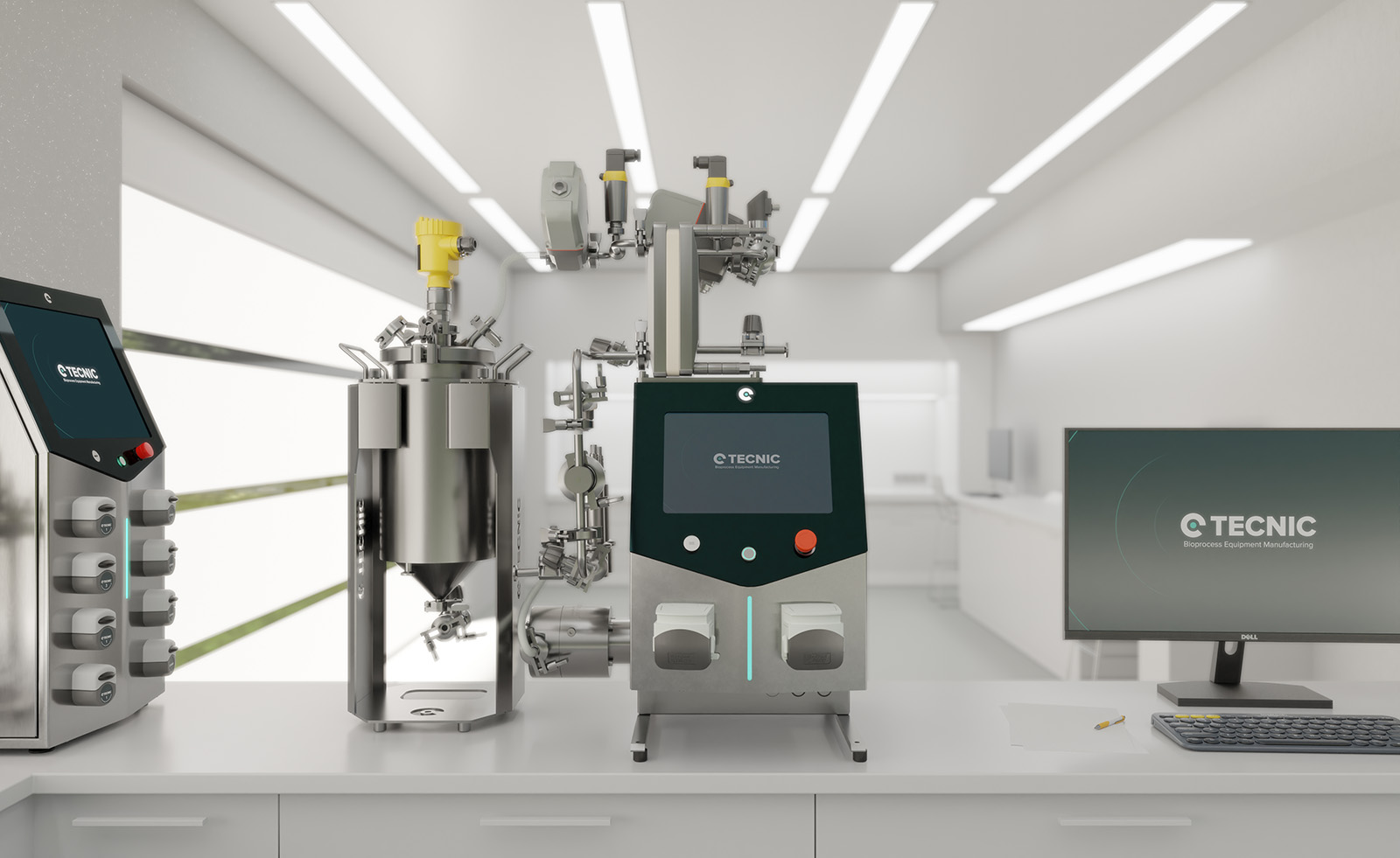
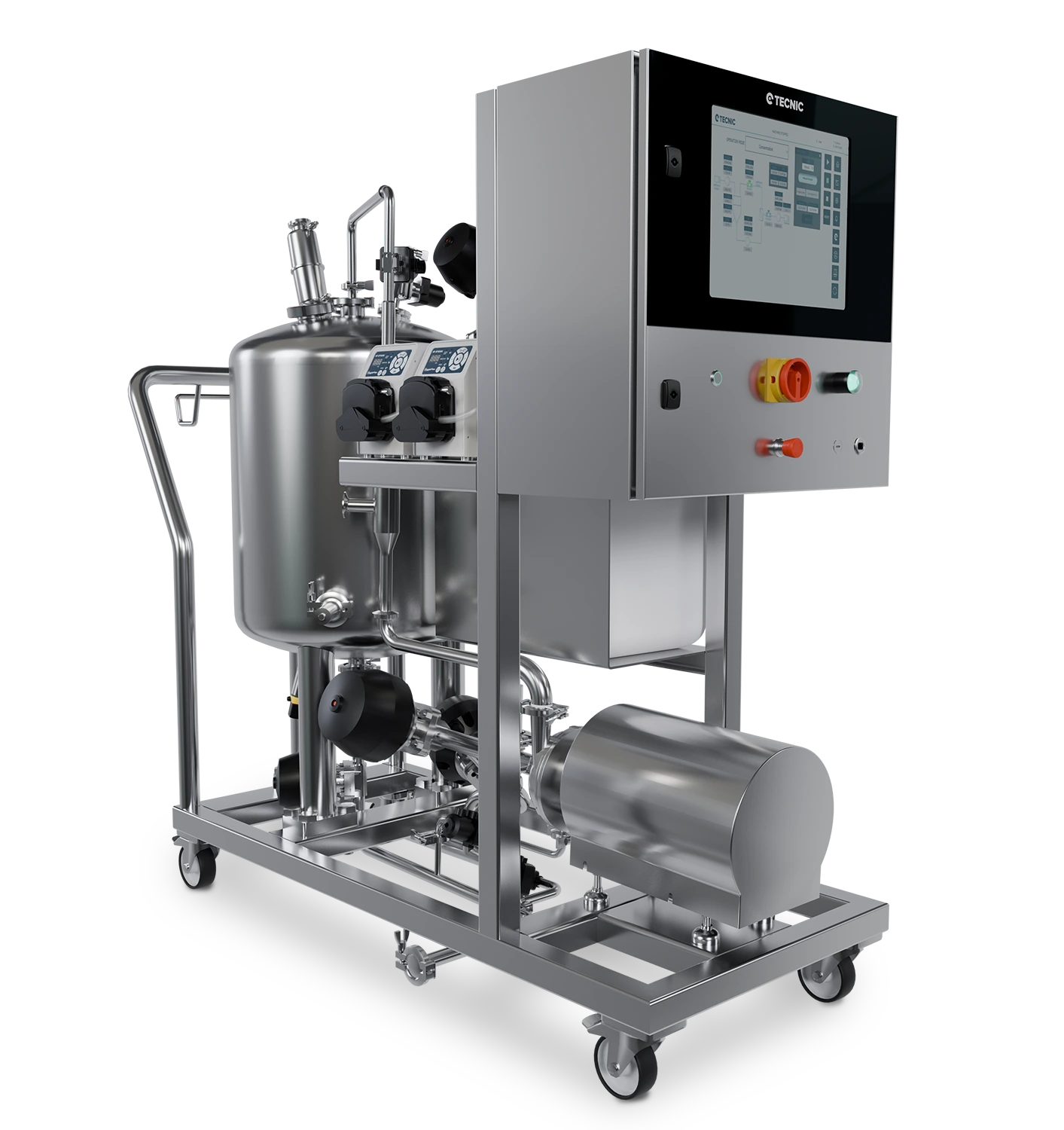
ePILOT TFF is the bridge between development and larger execution, supporting concentration, diafiltration and clarification with automatic control by TMP, ΔP and flow, plus pilot-scale membrane flexibility.
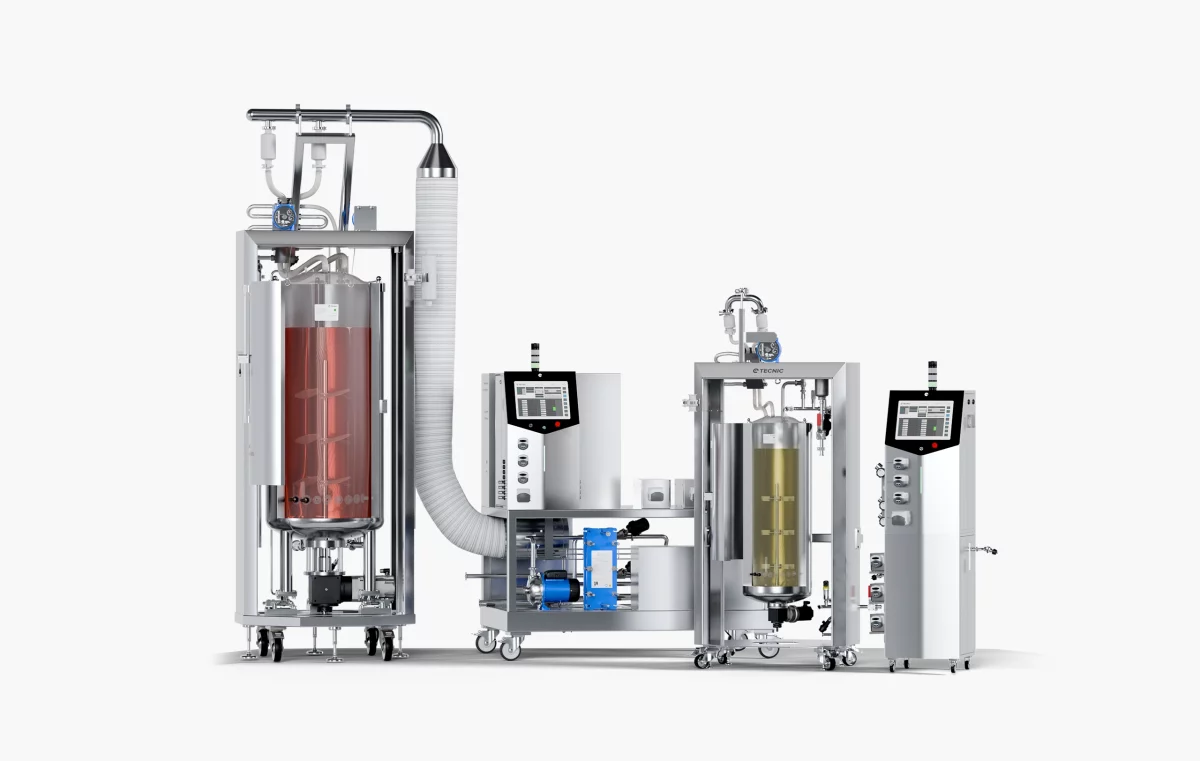
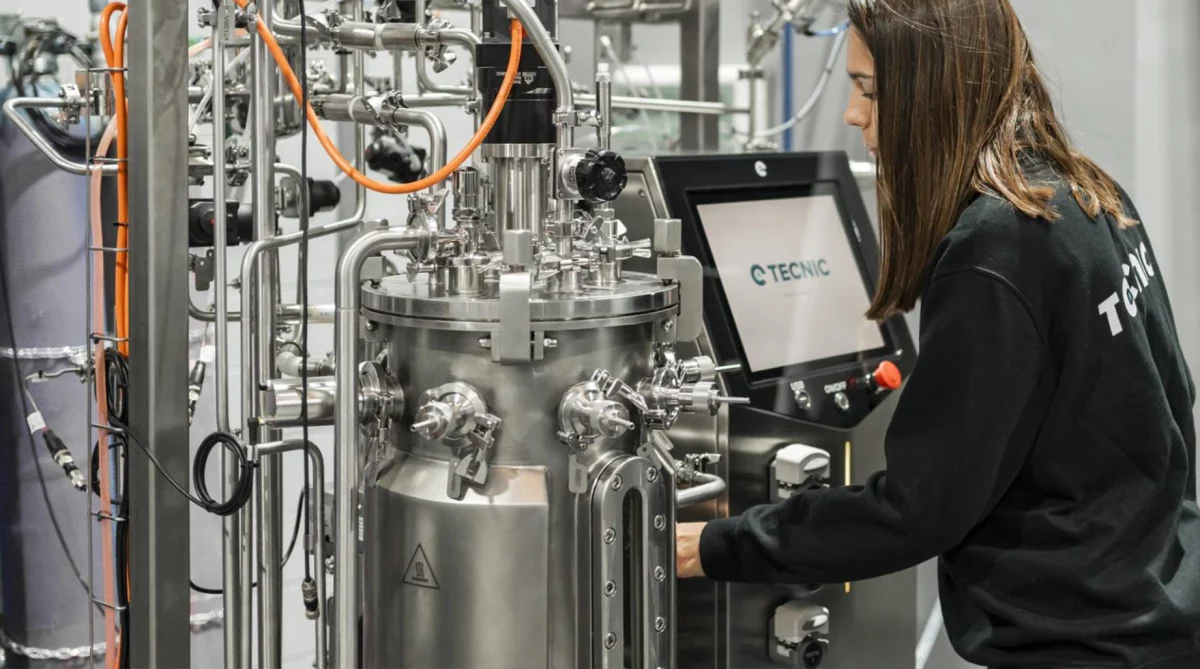
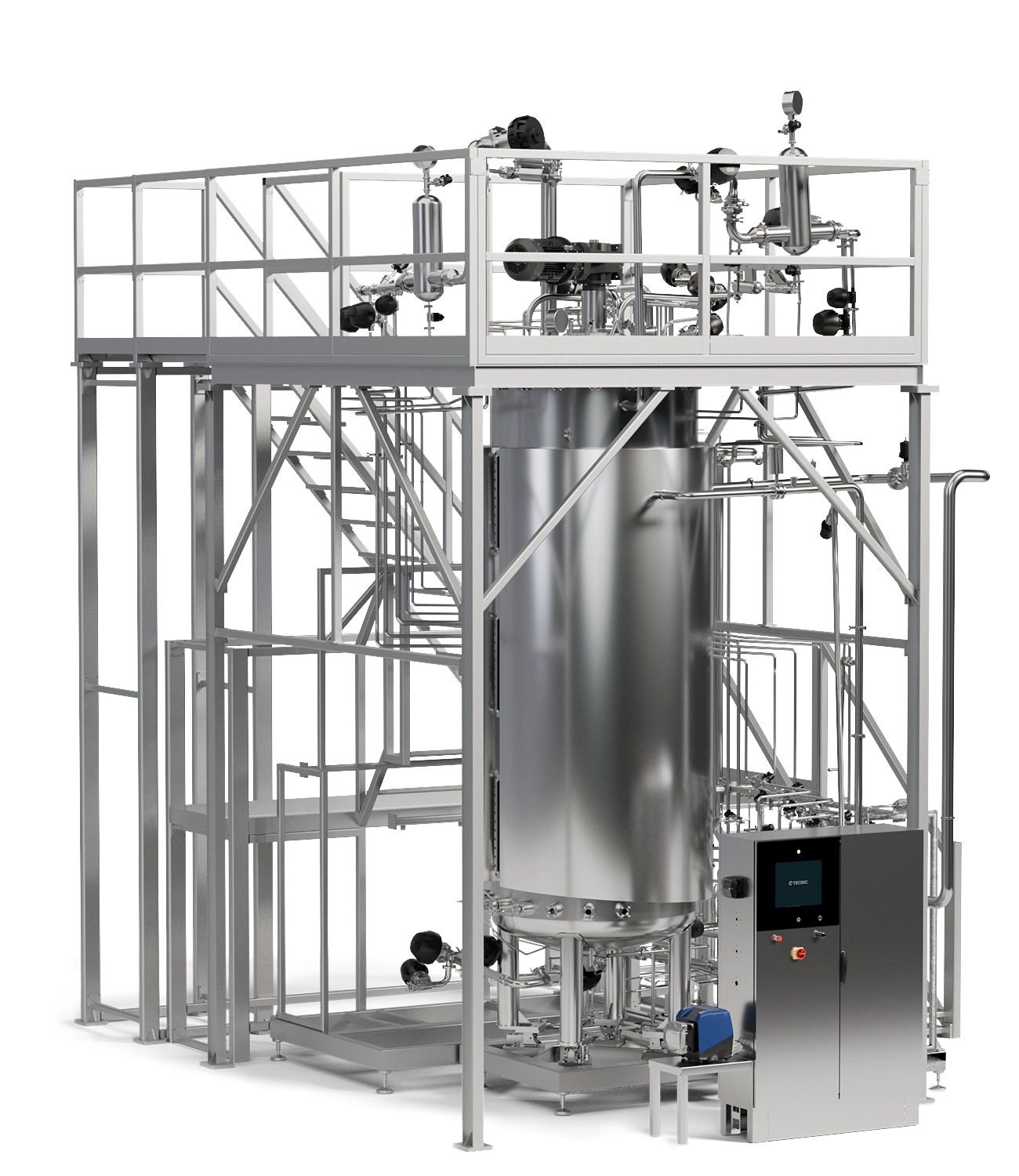
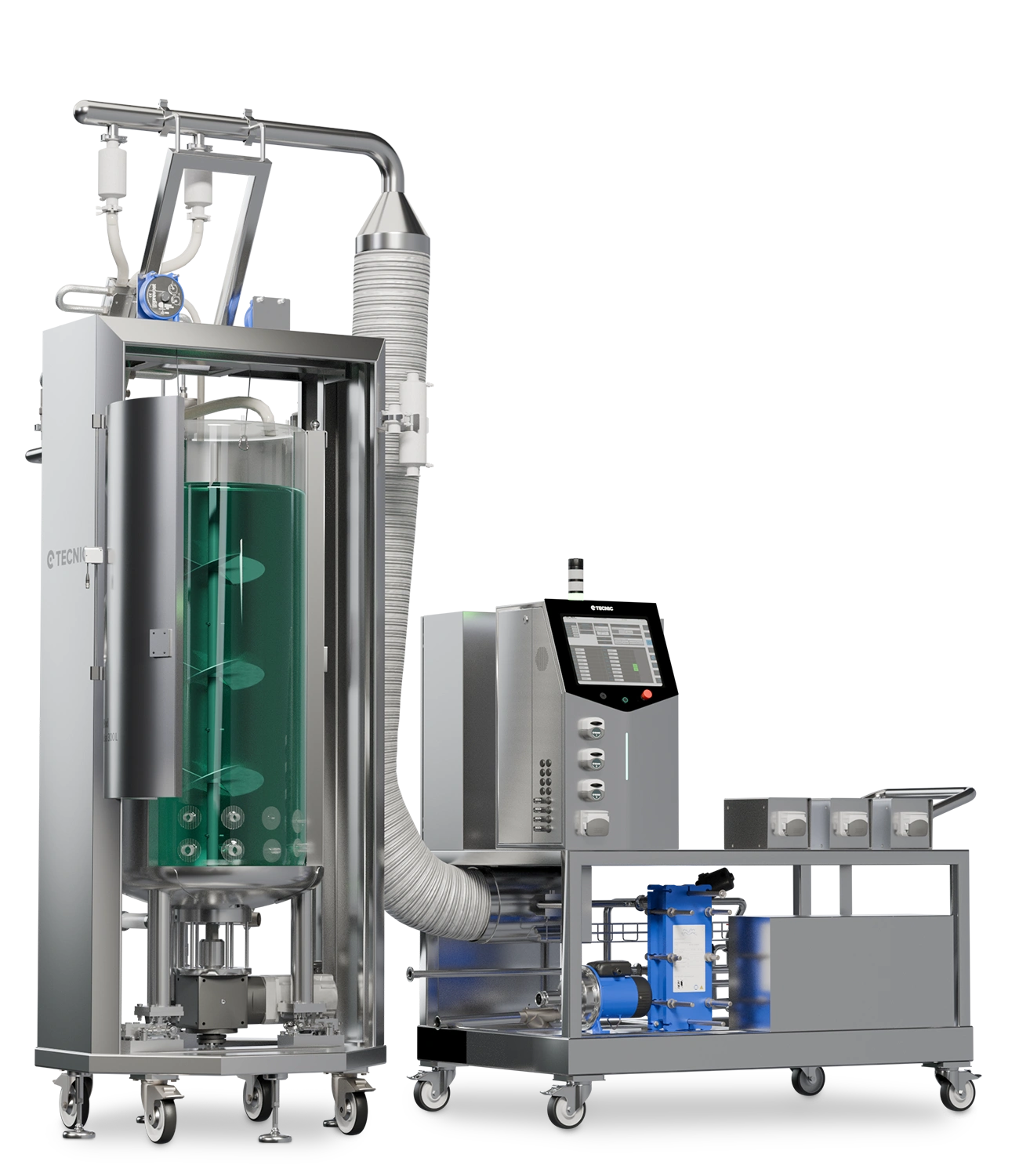
ePROD TFF for industrial downstream execution
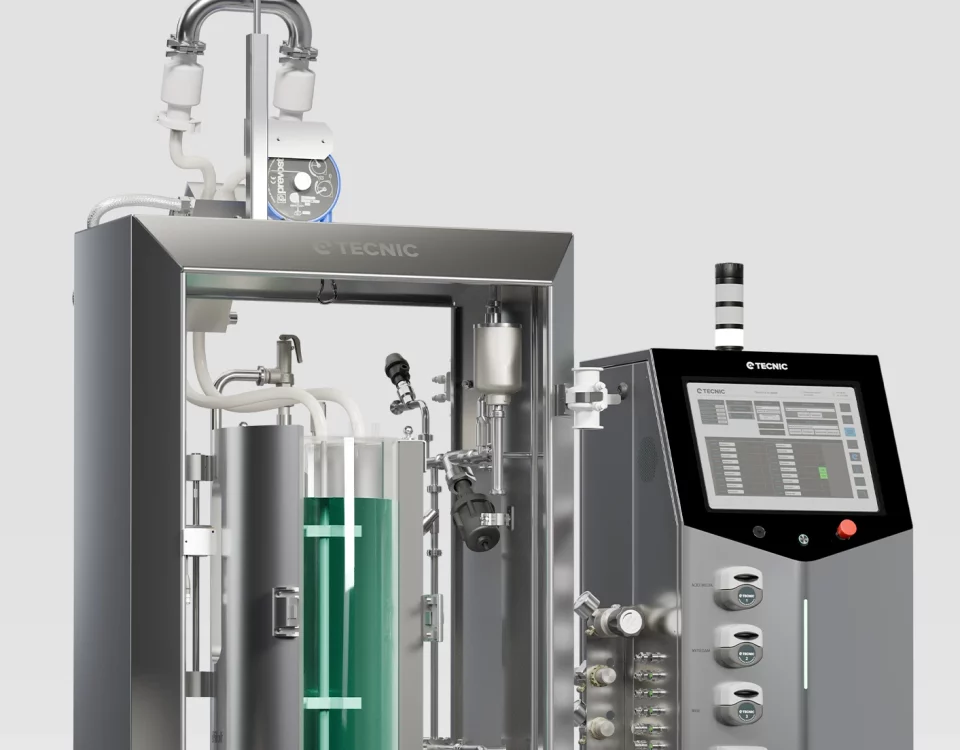
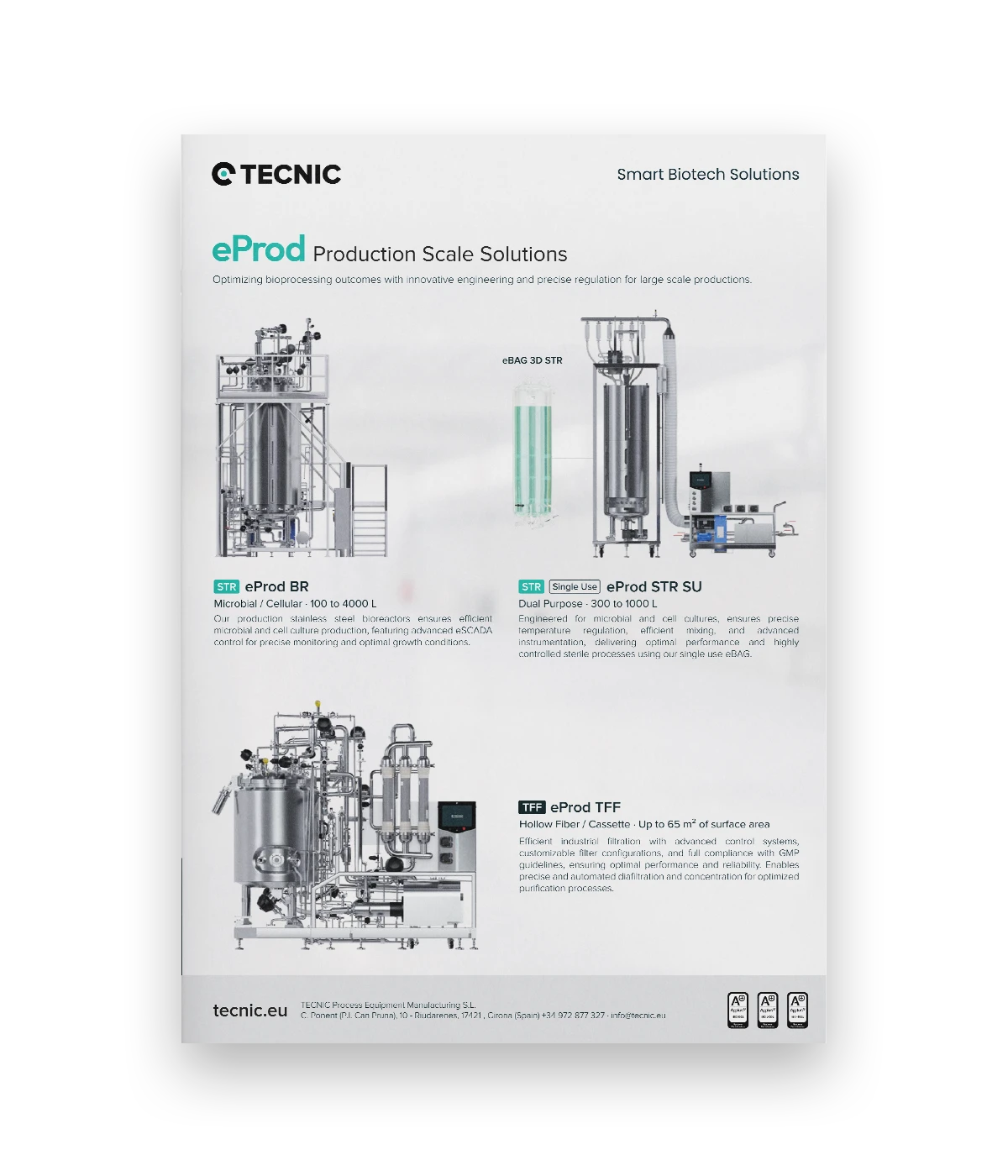
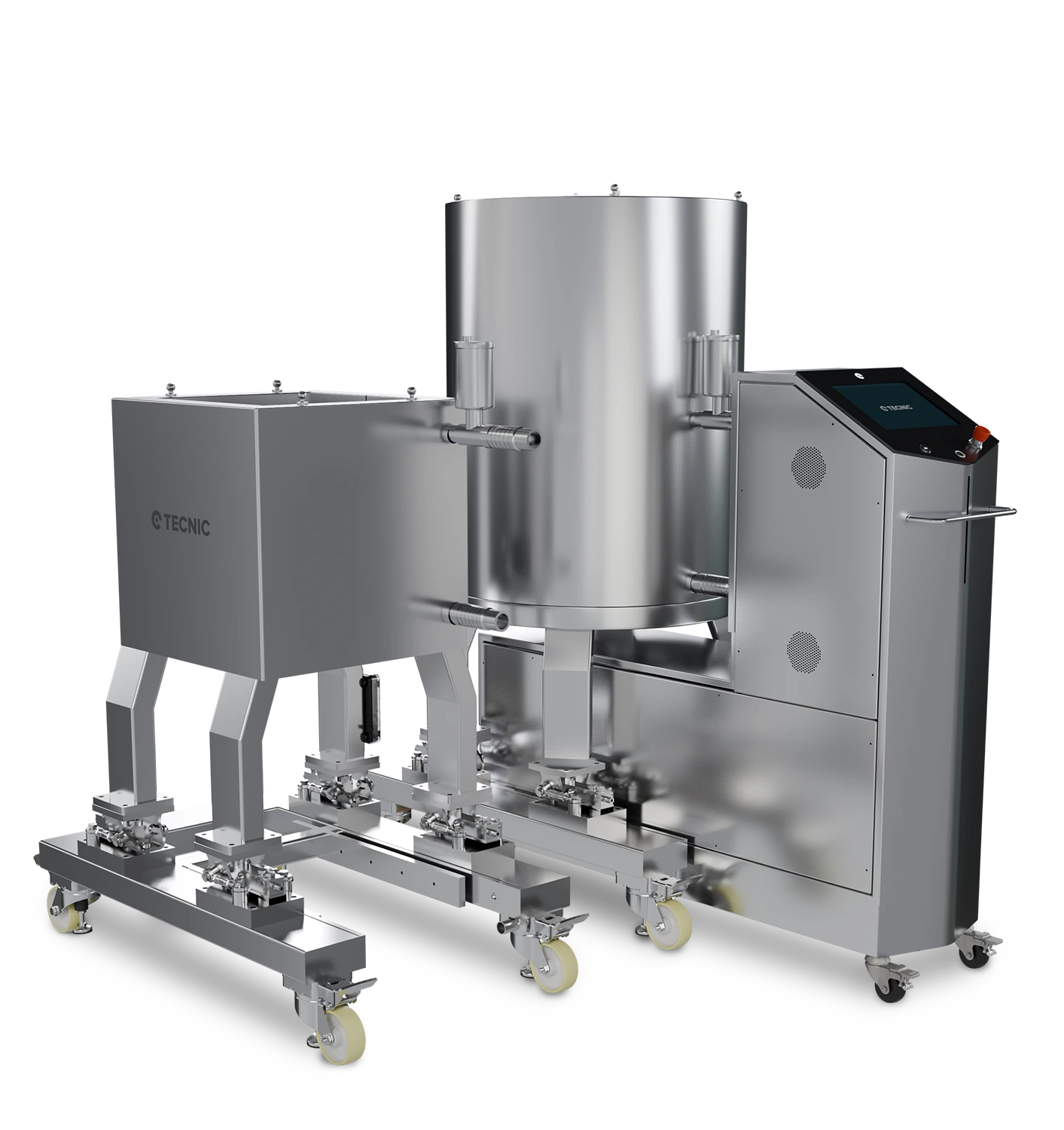
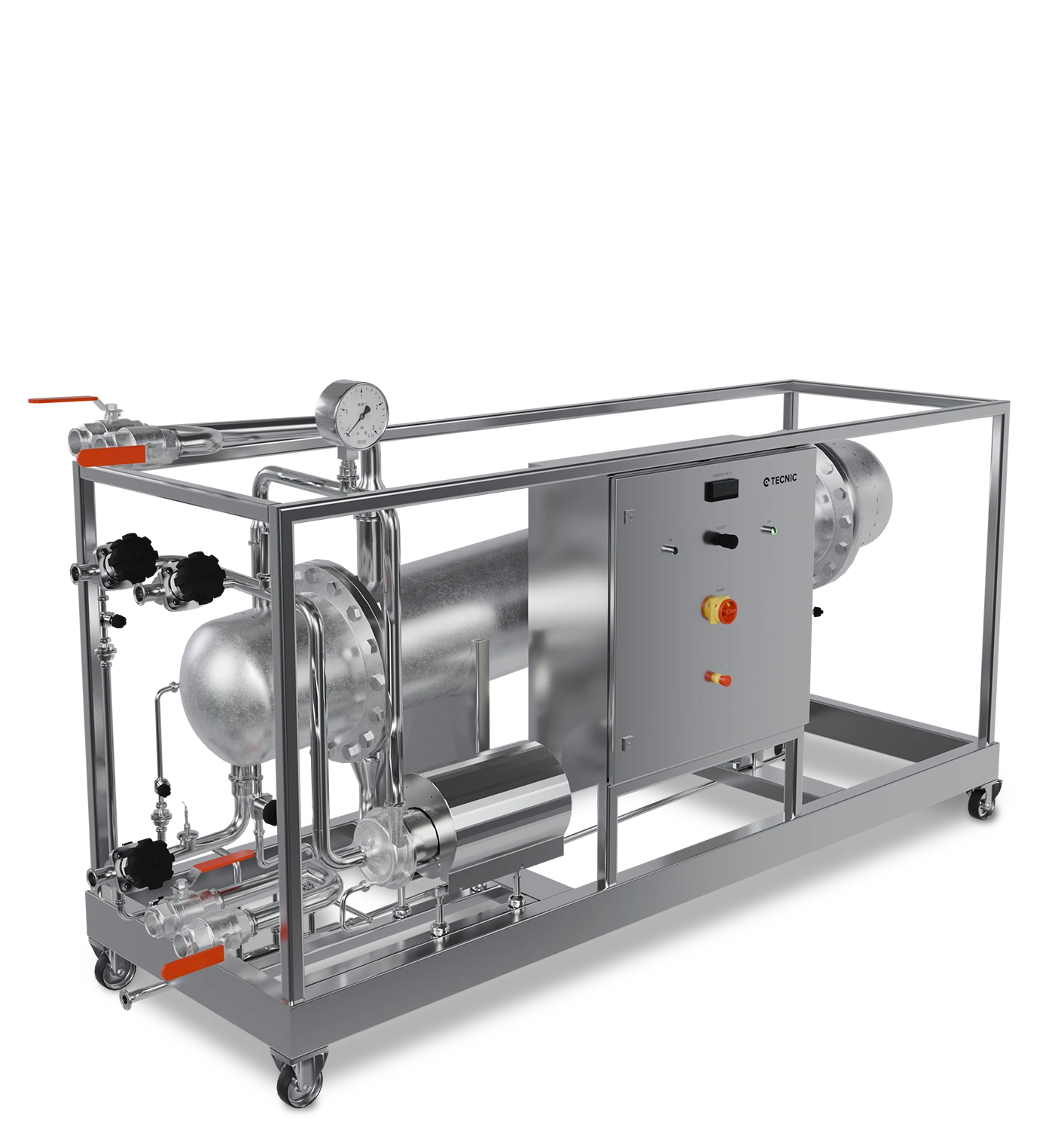
At production scale, ePROD TFF extends the platform into industrial clarification, concentration and diafiltration, with automated operation, larger membrane areas and compatibility with cassette, hollow fiber and engineered alternatives.
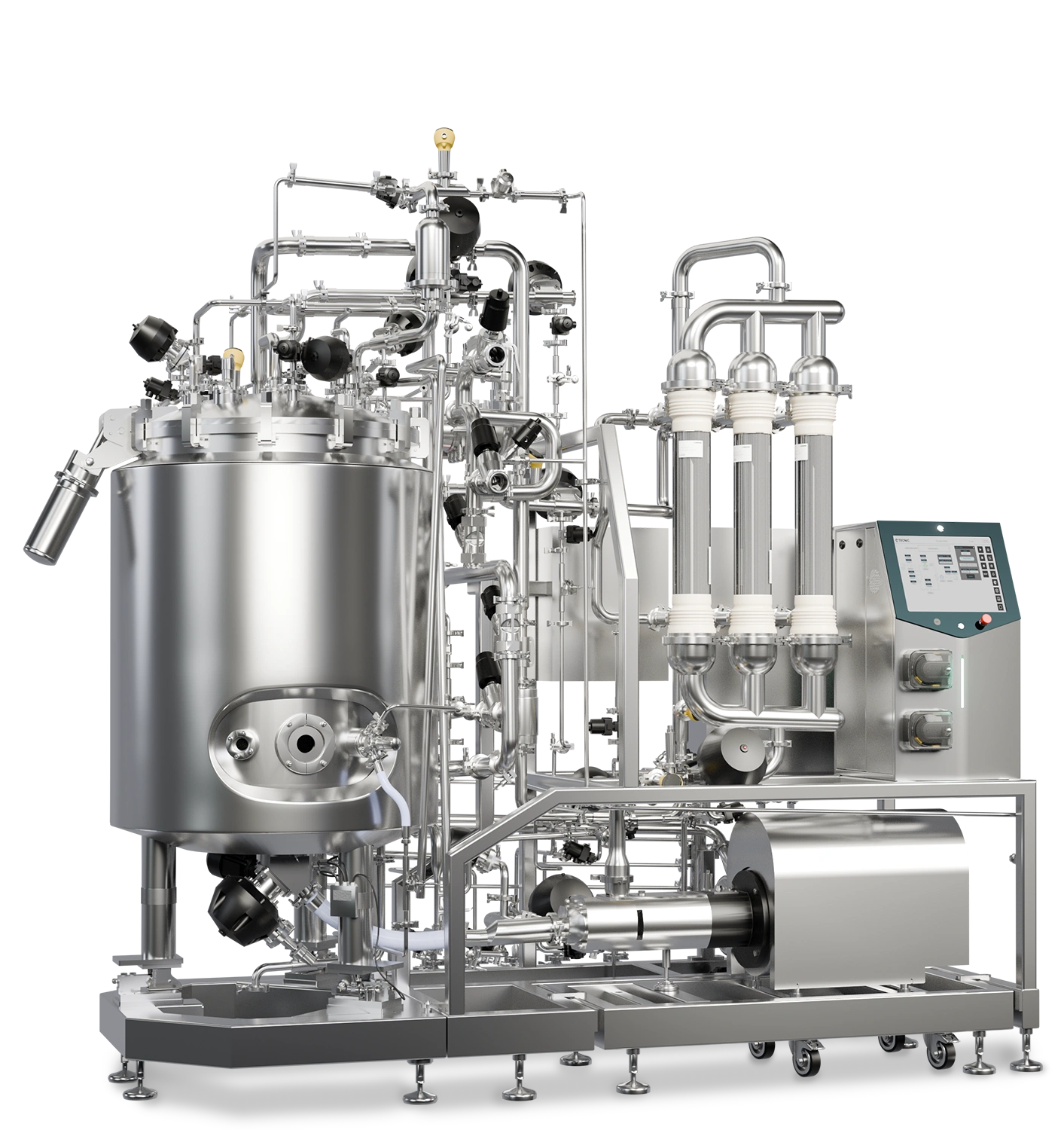
This product section is written as a technical bridge on purpose. It keeps the article useful for informational search intent while naturally connecting the reader with real TECNIC TFF paths.
Frequently asked questions
What is the difference between concentration and diafiltration in TFF?
Concentration removes permeate to reduce the retained volume and increase product concentration. Diafiltration adds fresh buffer while removing permeate, so the retained material stays in the system while salts or small molecules are exchanged out.
Why are TMP and ΔP both important?
TMP is the pressure driving permeation, while ΔP reflects the hydraulic load along the retentate side. Looking at both together gives a much clearer picture of how the membrane is behaving than using one alone.
Is hollow fiber always better for sensitive products?
Not automatically. Hollow fiber can offer low hold-up and good hydraulic behaviour, but the best choice still depends on the product, target recovery, fouling tendency and operating strategy.
Can the same TFF logic be scaled from lab to production?
Yes, but only if scale-up is done with attention to membrane area, recirculation flow, pressure limits, end criteria and automation logic. Good scale-up is controlled continuity, not just bigger hardware.
What should I define first when selecting a TFF system?
Start with the process objective, concentration, diafiltration, clarification or a combination, then define product sensitivity, expected membrane format, recovery target, scale and documentation needs.
Planning a TFF process from lab work to production?
Explore the TECNIC TFF range or speak with our team to review the right membrane format, scale path and control strategy for your downstream process.